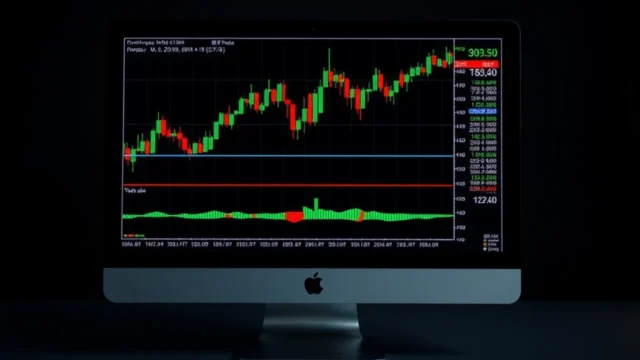
Oil prices middle east shipping risks hit six-week peak
Crude climbs to its highest level in six weeks as geopolitical tensions threaten shipping routes through one of the world's most critical energy corridors.

Key Takeaways
- Oil prices middle east tensions have pushed crude to six-week highs, reflecting genuine supply concerns
- Shipping route disruptions can force tankers to take longer routes, raising transport costs and fuel prices at the pump
- Investors in oil stocks, energy funds and inflation-linked bonds may see volatility if tensions worsen or ease
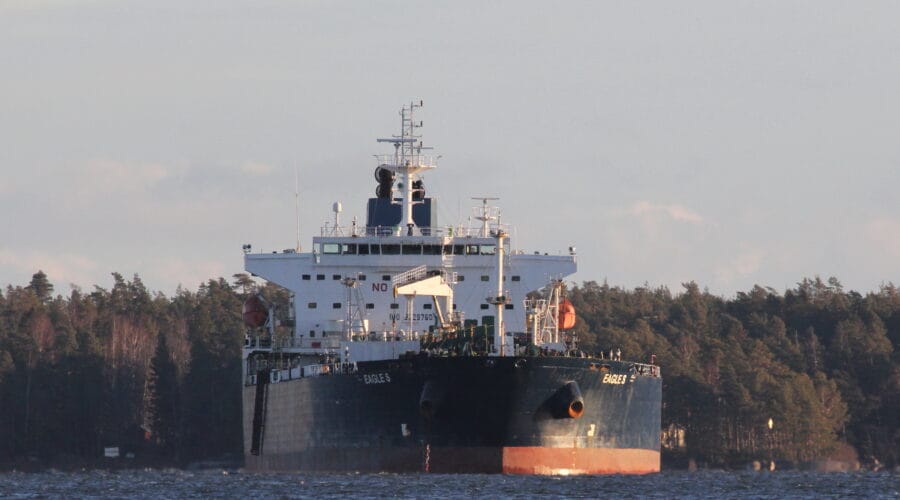
Oil prices are trading at their highest point in six weeks, according to Reuters, driven by escalating risks to shipping in the Middle East. The region’s maritime corridors handle roughly one-third of seaborne crude globally, making even the threat of disruption enough to move markets.
When traders and refineries fear that tankers cannot safely pass through key shipping lanes near the Middle East, they price in a risk premium: the assumption that oil supplies will become harder to access, more expensive to transport, or both. That psychology alone can push prices higher, even before any cargo is actually lost.
Why geopolitics and shipping routes matter to the price you pay
The Middle East is home to roughly half of the world’s proven crude reserves. Most of that oil leaves by sea, passing through narrow channels like the Strait of Hormuz (a waterway between Iran and Oman through which about one-fifth of all traded oil moves daily) and along the coasts of countries where political tension or military activity can flare without warning. If a shipping route becomes too dangerous or unstable, tanker operators must either slow down, take longer detours around Africa or Asia, or simply pause sailings until conditions improve.
Any of those outcomes drives up the cost of moving oil from producer to refiner. Those extra transport costs often flow through to petrol prices at the pump, to electricity bills for those on variable rates, and to inflation more broadly. Oil prices Middle East tensions, therefore, matter to household budgets well beyond the energy sector itself. Central banks watch crude closely because sustained price spikes can feed inflation that affects decisions on interest rates and monetary policy.
What happens when oil prices Middle East moves spike this high
A six-week high suggests the market has recently reassessed the risk. Something specific has changed in the threat environment, though Reuters did not disclose which event or development triggered the uptick. Typically, such moves reflect news of military activity, sanctions escalation, port strikes, or vessel seizures in or near the region. The fact that prices have held at elevated levels for a sustained period rather than spiking and then falling back suggests traders believe the underlying risk is not temporary.
Historical precedent shows that oil prices Middle East disruptions tend to be painful but often brief. The 1973 Arab oil embargo lasted months and crushed Western economies. The 1990 invasion of Kuwait spiked prices for weeks before they normalised. The 2022 Ukraine war sent crude above $120 per barrel before demand concerns and alternative supply brought it down. Markets are forward-looking: they price in not just the immediate threat, but expectations about how long it will last and how much actual supply will be lost.
How much can shipping delays really cost?
A tanker rerouting around Africa instead of through the Suez Canal adds two to three weeks to a voyage and burns significantly more fuel. For a very large crude carrier, those extra costs can run to hundreds of thousands of dollars per trip. When dozens of tankers face that choice, it reshapes global oil logistics and pricing. Refineries pass those costs downstream, eventually reaching consumers, though the lag is typically weeks rather than days.
What this means for you
Oil price movements affect different households and investors in different ways. Most people notice the impact at the petrol pump, but energy markets also influence inflation expectations, stock valuations, and returns on bonds and savings accounts.
- If you drive or heat your home with oil or gas: Watch oil prices Middle East tensions closely over the coming weeks. If shipping disruptions persist, fuel costs are likely to stay elevated or rise further. This is a good time to review your energy budget and consider efficiency improvements or fixed-rate hedging options if available.
- If you hold a diversified investment portfolio: Oil price spikes tend to benefit energy company stocks and commodity-linked funds, but hurt most other sectors through higher input costs. Sustained high oil prices can also delay interest rate cuts, putting pressure on growth stocks and bonds. Balanced portfolios with a mix of assets typically weather these swings better than concentrated bets.
- If you are concerned about inflation: Energy prices are a major driver of consumer price inflation, especially in the early months of a spike. Central banks take note, and inflation concerns can affect decisions on mortgage rates and savings account yields. Long-dated inflation-linked bonds or tips (in the US) and index-linked gilts (in the UK) may become more attractive if you believe higher energy prices will persist.
For a deeper understanding of how oil markets work, commodity investing strategies and geopolitical risk in portfolios, explore Thewealthora’s full guides to energy markets and inflation protection.
More on oil prices Middle East from Thewealthora
- Gold prices rising as Fed decisions and Middle East tensions collide
- Oil tankers avoid Hormuz as floating storage piles up
- Dow Jones historical data: what 130 years actually says (not what your uncle thinks)
Originally reported by Reuters. Facts verified; analysis and wording are Thewealthora’s own.

Ethan Caldwell
Executive Editor, Markets
Ethan Caldwell is Executive Editor of Thewealthora's Finance Wire, the desk that carries this site's fast coverage of US equities, corporate earnings, central bank decisions and the macro calendar.