US jobs data: why markets are holding their breath
Stock futures edge higher as traders await monthly employment figures that could reshape interest rate expectations.

Key Takeaways
- US jobs data on Friday prompted investors to stay cautious, with futures modest gains ahead of release
- Employment numbers shape Fed rate decisions, making this report pivotal for bond and equity traders
- Light positioning means the market has room to swing sharply once the actual figures land
Stock futures climbed modestly on Friday morning as traders worldwide paused before the release of US jobs data, the monthly employment report that moves markets more reliably than almost anything else on the economic calendar.
The caution is rational. US jobs data matters because it sits at the heart of how the Federal Reserve sets interest rates, and where those rates go next shapes everything from mortgage costs to stock valuations.
| Timing | US jobs data released Friday, September 4, 2026 |
|---|---|
| Futures movement | S&P 500 futures nudged higher in midday European trade |
| Positioning | Investors held positions steady, minimal Treasurys movement |
Why the market is barely moving before US jobs data arrives
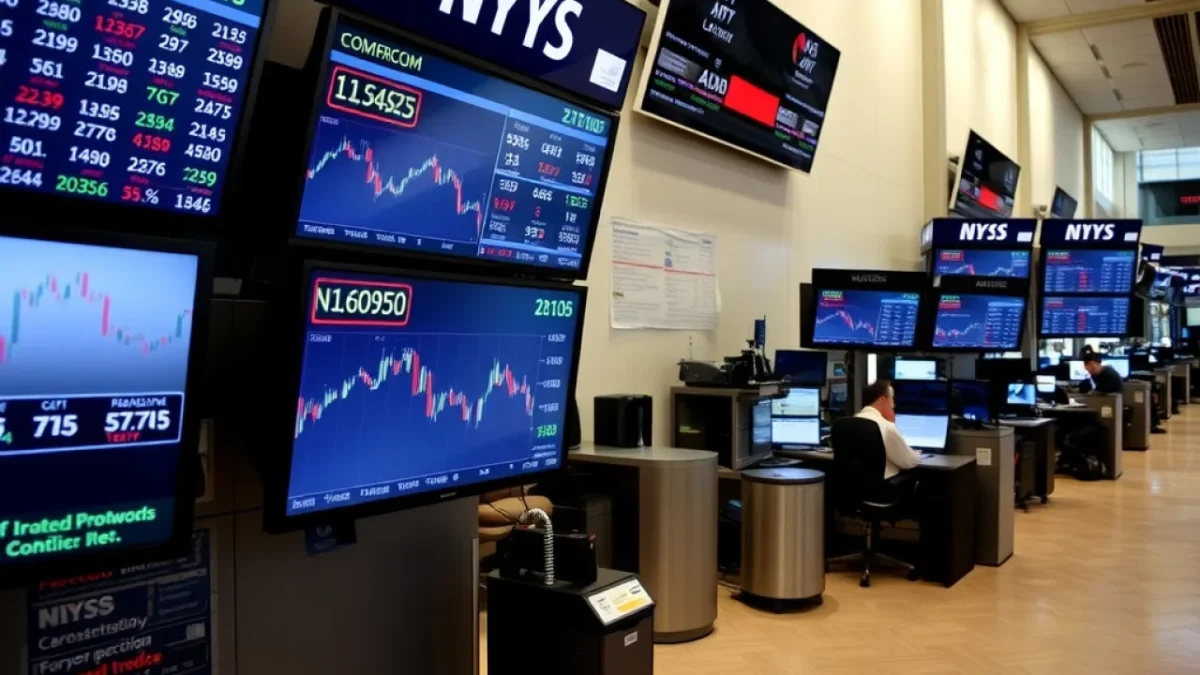
What you are seeing is classic pre-data behaviour: traders have lightened their bets. Treasury yields stayed flat, stock index futures crept higher, and volatility was muted. Nobody wanted to take a big position that could blow up in their face the moment US jobs data hits the newswires at 1:30 p.m. New York time.
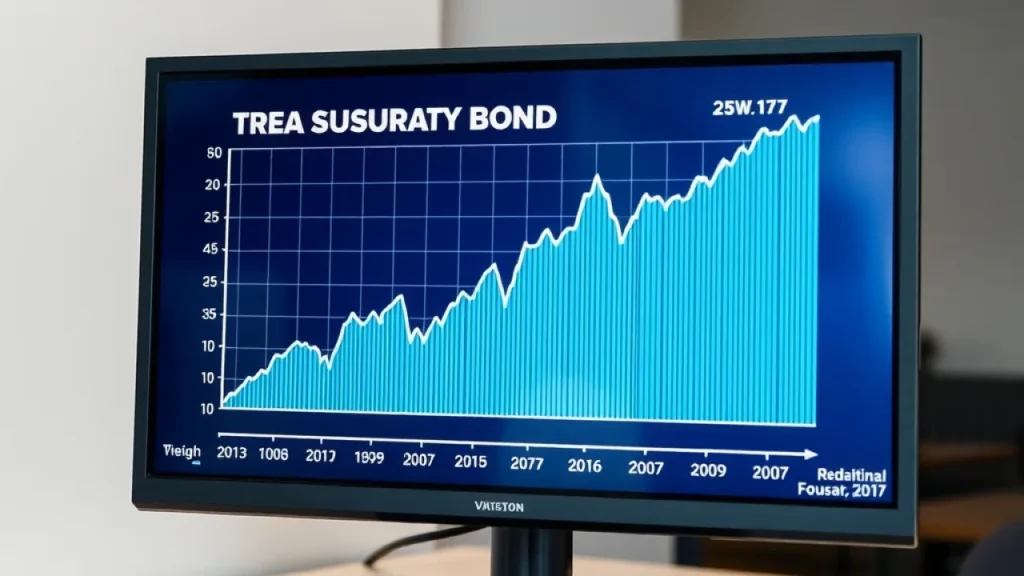
The reason is mechanical. If US jobs data comes in much stronger than expected, it suggests the labour market is still running hot. The Fed then has less reason to cut rates, bond prices fall, and yields climb. Stocks hate that because higher discount rates make future profits worth less in today’s money.
The opposite is also true. Weak US jobs data would signal cooling in hiring, giving the Fed cover to cut rates more aggressively. Markets would celebrate that as cheaper borrowing costs, and equities would likely rally.
How US jobs data shapes the interest rate outlook
The monthly employment report tells three stories at once: how many people found work last month, how much their wages rose, and what happened to the unemployment rate. The Fed watches all three obsessively.
Here is the tricky part. US jobs data alone does not set Fed policy, but it is the single most watched input. A Fed official will not cut rates on the back of one soft report, but three soft reports in a row will change the entire trajectory. Markets price in the probability of future rate moves, so traders were essentially waiting to update their mental models.
In September 2026, the picture was already mixed. Some US jobs data points had shown resilience; others hinted at softening. This particular release was being watched as a tiebreaker, a signal about which direction labour demand was really moving.
Why does US jobs data move markets more than other economic reports?
Three reasons. First, the Fed has a dual mandate to pursue both price stability and maximum employment, so US jobs data directly speaks to one half of their mission. Second, labour is the last thing to weaken in a slowdown, so a deterioration in employment is read as a warning sign. Third, US jobs data is hard to fake or revise away cleanly; once the number is out, traders have to reprice.
What happens when US jobs data finally lands
The expectation going into Friday was for a solid but unremarkable report: around 170,000 new jobs, a steady unemployment rate, and wage growth cooling slightly. If US jobs data delivered exactly that, the market would probably drift, because nothing changes the rate outlook.
But markets rarely get what they expect. A significant miss, either stronger or weaker than anticipated, would force a repricing of rate expectations. That repricing would cascade through stock index futures, bond yields, and currency markets across Asia and Europe before the U.S. cash market even opened.
Light positioning meant volatility would likely spike once US jobs data broke, because traders holding small positions would have to adjust them quickly. That is why the calm beforehand felt fragile. The market was not relaxed; it was braced.
For a deeper look at how employment data shapes your own investments, read our guide to understanding economic indicators and the Federal Reserve’s impact on portfolio returns.
Original reporting on this us jobs data: WSJ Markets.
More on us jobs data from Thewealthora
- Election outcomes stock market: how to position before November
- Tech stock rotation isn’t AI retreat, Cramer says
- Energy prices bond yields: why gas spikes force borrowing costs higher
- Snap smart glasses price gamble as profitability stalls
More stories like this on the Finance Wire.
Originally reported by WSJ Markets. Facts verified; analysis and wording are Thewealthora’s own.

Ethan Caldwell
Executive Editor, Markets
Ethan Caldwell is Executive Editor of Thewealthora's Finance Wire, the desk that carries this site's fast coverage of US equities, corporate earnings, central bank decisions and the macro calendar.