Robot theme parks open in South Korea with humanoid dancers
South Korea opens Galaxy Robot Park, a 16,500-square-meter venue featuring humanoid robots performing K-pop routines and interactive attractions.

Key Takeaways
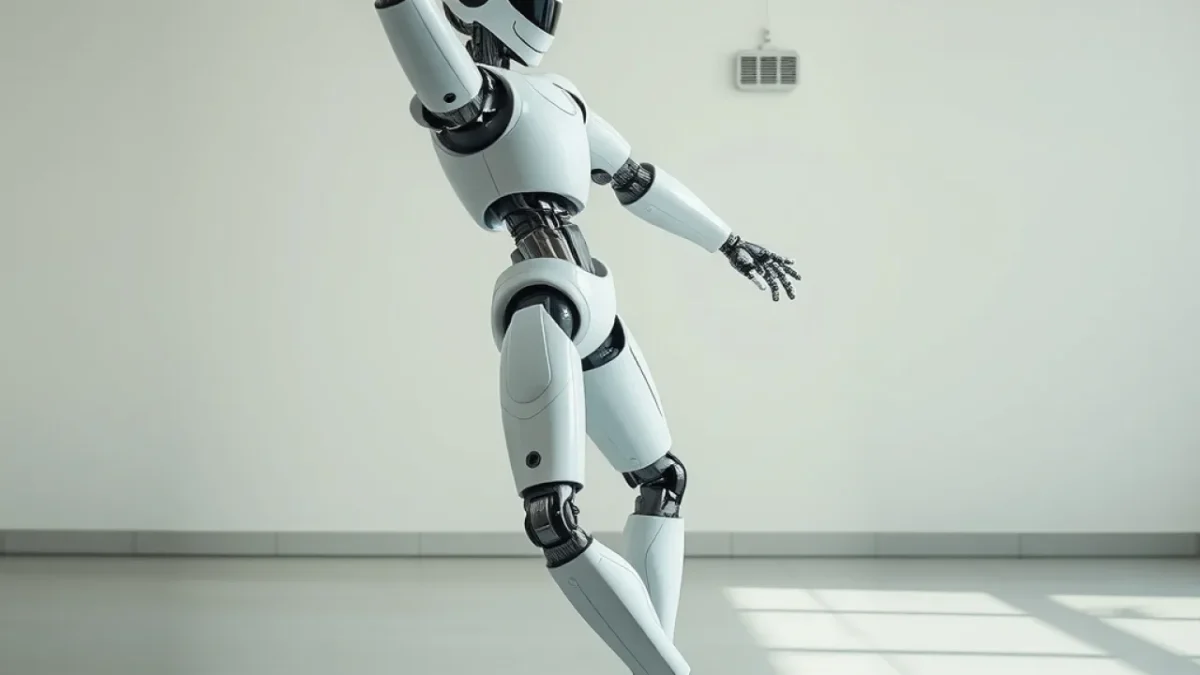
- Galaxy Robot Park in South Korea combines entertainment with robotics, featuring humanoid robots that dance to K-pop music
- Robot theme parks represent a shift in how nations are experimenting with public robotics, especially in Asia where adoption is faster
- The venture tests whether robots can sustain visitor engagement beyond novelty, a question that will shape theme park innovation globally
According to BBC News, South Korea has opened robot theme parks with attractions built entirely around humanoid performers, marking an unusual bet on automation as family entertainment.
Galaxy Robot Park spans 16,500 square metres and centres its appeal on humanoid robots that dance to K-pop hits, the South Korean music genre that has global reach. The venue is not a traditional theme park with rides, but rather a purpose-built space where robots are the draw.
| Venue size | 16,500 square metres |
|---|---|
| Location | South Korea |
| Main attraction | Humanoid robots dancing to K-pop music |
| Venue name | Galaxy Robot Park |
Why South Korea is betting on robots as entertainment
South Korea has become a hub for robotics investment and public acceptance of automation in ways that differ sharply from Western markets. The country has already integrated robots into restaurants, retail spaces and manufacturing at a pace faster than most developed economies.
That comfort with robotics partly reflects South Korea’s ageing population and labour shortages, which have made automation feel like practical necessity rather than job threat. When a society sees robots solving real problems, acceptance for experimental uses like entertainment venues follows more easily.
Galaxy Robot Park sits at the intersection of South Korea’s dual strengths: the nation’s advanced robotics sector and its global dominance in K-pop. By combining the two, the park taps into existing visitor demand for K-pop content while testing whether robots can sustain that interest beyond mere novelty.
What robot theme parks reveal about visitor behaviour
The core question is whether humanoid robots performing choreography keeps visitors engaged for the duration of a paid visit, or whether the attraction fades once the initial shock wears off. Traditional theme parks sustain engagement through physical sensation (rides, speed, height) and narrative (themed lands, stories). A robot dancing to K-pop offers neither.
Can robots hold visitor attention without rides or stories?
Entertainment venues built solely around observation and interaction with robots remain largely untested at commercial scale. Galaxy Robot Park will generate data on how long visitors stay, what kinds of interactions with robots feel rewarding, and whether families return. That information matters for every entertainment operator watching Asia’s robotics adoption.
Successful robot theme parks would reshape investment in automation for hospitality and entertainment worldwide. If the model works, investors will fund similar venues in other regions. If visitors treat it as a one-time curiosity, the concept remains niche.
The wider automation story in public spaces
Robots are already moving into airports, hospitals and customer service roles across Asia and parts of Europe. But those are functional deployments where robots replace human labour or handle repetitive tasks. Entertainment is different: it is purely discretionary, and visitors are paying to have their time spent.
Galaxy Robot Park is significant because it treats robots not as tools but as attractions in their own right. That shift signals confidence among South Korean developers that public robotics has matured beyond industrial use into cultural experience.
The experiment will show whether that confidence is justified. Entertainment venues often reveal where technology actually works versus where it merely seems impressive. Galaxy Robot Park’s visitor numbers and repeat rates will shape robotics investment in tourism globally.
Thewealthora covers markets and technology trends as they affect investors and consumers alike, so we will watch visitor data and industry response as more venues of this kind open across Asia.
More on robot theme parks from Thewealthora
- Autonomous aircraft are taking off in agriculture first
- Tim Curry death: the actor behind Frank-N-Furter and Pennywise
- South Korea stablecoin rules framework takes shape
- South Korea’s largest bank launches JPMorgan blockchain payments
More stories like this on the World News.
Originally reported by BBC News. Facts verified; analysis and wording are Thewealthora’s own.

Sophia Bennett
Executive Editor, World
Sophia Bennett is Executive Editor of Thewealthora's World desk, which covers the stories outside the market pages that eventually end up on them: elections and policy shifts, energy and commodity supply, trade rules, conflict, and the slow events that reprice something months after they happen.