Oil tankers avoid Hormuz as floating storage piles up
Shipping traffic through a critical chokepoint is dropping, leaving more liquefied natural gas stranded on vessels.

Key Takeaways
- Fewer tankers are entering the Strait of Hormuz to pick up oil, a key sign of reduced demand or shipping caution
- Liquefied natural gas is building up on floating storage vessels instead of reaching shore
- This supply-demand mismatch can signal economic slowdown or geopolitical disruption
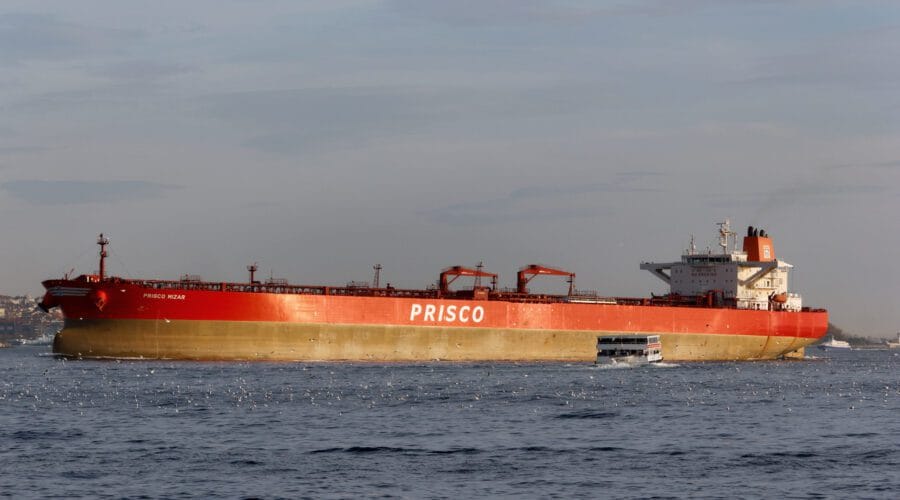
The world’s most important oil shipping lane is quieter than usual. New data shows fewer tankers are entering the Strait of Hormuz, a narrow waterway between Iran and Oman that funnels roughly one-third of all traded oil to global markets, to load crude. At the same time, liquefied natural gas (LNG), a super-chilled fuel shipped by sea, is piling up on floating storage vessels instead of reaching buyers.
This unusual combination deserves your attention, because these are the kinds of shipping patterns that signal real shifts in how the world is using energy.
Why tankers are staying away
When tankers avoid loading ports, it usually means one of two things: either buyers don’t need as much oil right now, or shippers are nervous about the route itself. The Hormuz strait has always carried geopolitical risk, any tension between Iran and other powers can spike insurance costs and delays. But the timing here matters. Fewer vessels entering suggests demand may be softening, or that traders are hedging their bets on prices falling further.
The LNG backup problem
Meanwhile, natural gas producers are facing a different crunch. LNG, which is natural gas compressed to liquid form for ocean transport, is expensive to store on ships waiting for buyers. When floating storage rises, it typically means:
- Buyers aren’t taking delivery as fast as sellers are producing
- Spot prices (immediate delivery) are too low to justify unloading
- Seasonal demand (like winter heating) is slowing
This creates a squeeze for energy exporters who need to move inventory, often forcing them to cut prices or negotiate longer supply contracts.
What does Hormuz shipping tell us about the global economy?
Declining tanker traffic through Hormuz is often an early warning sign of weakening industrial demand. Since oil powers factories, transportation, and power plants, fewer shipments suggest businesses and households may be using less energy, which can reflect slower growth ahead.
What this means for you
If you own energy stocks or have them in a retirement fund, watch these shipping patterns. Falling tanker traffic and rising LNG storage can pressure oil and gas prices lower, which sounds good at the pump but may signal investor concerns about economic slowdown. Energy companies typically cut spending and dividends when demand softens, affecting shareholders.
For drivers and utility bill payers, softer energy demand can mean cheaper fuel and heating costs, but usually only after a lag. These shipping trends are the market’s way of pricing in what’s coming, so they’re worth monitoring even if the impact on your wallet takes weeks or months to show up.
Go deeper on Thewealthora
- Why chip stocks just got shaken by China’s AI breakthrough
- Why a Chinese AI startup spooked Wall Street this week
- Best stablecoin to invest: 3 safe options the new law just reshaped
Originally reported by Reuters. Facts verified; analysis and wording are Thewealthora’s own.

Ethan Caldwell
Executive Editor, Markets
Ethan Caldwell is Executive Editor of Thewealthora's Finance Wire, the desk that carries this site's fast coverage of US equities, corporate earnings, central bank decisions and the macro calendar.