Iran fuel tanker blast kills 10 on mountain highway
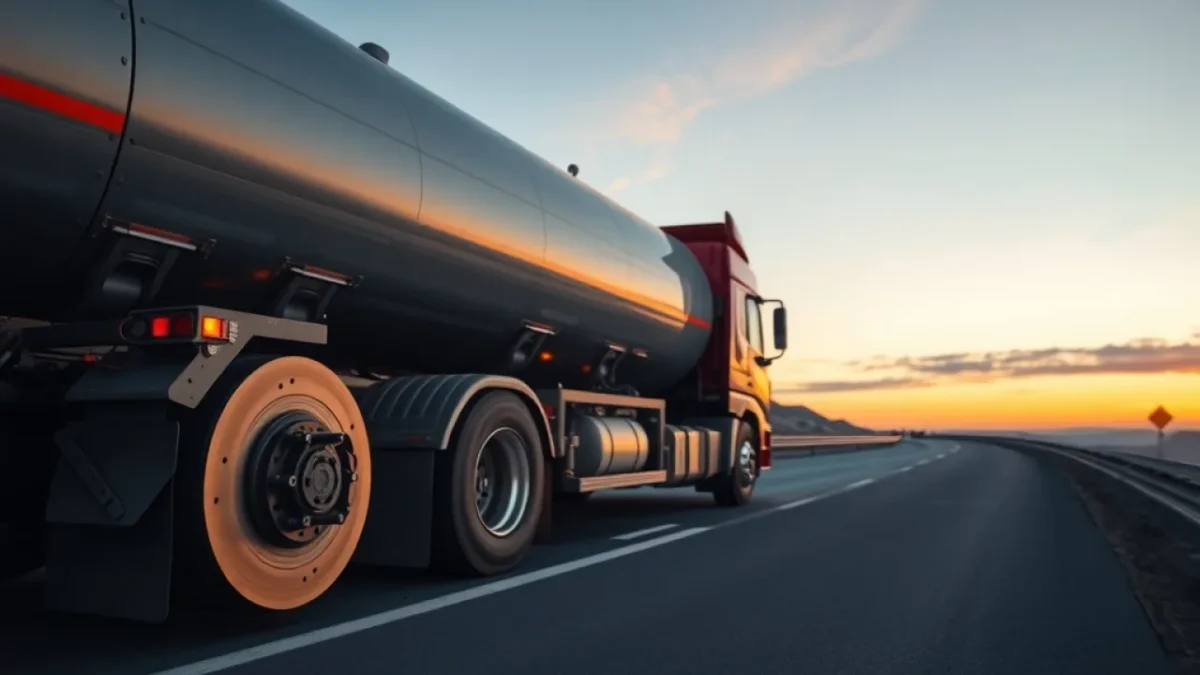
At least 10 people died when a fuel tanker exploded on a western Iranian highway after a brake failure caused a collision.

Key Takeaways
- A fuel tanker exploded on Iran's Hamedan-Sanandaj highway on Saturday after brake failure caused a crash, killing at least 10 people and injuring six more.
- The incident reflects a chronic road safety crisis in Iran, where ageing vehicles, poor infrastructure and weak enforcement make such collisions routine.
- Iran's traffic death rate is 20 times the global average, with over 20,000 annual fatalities according to official estimates.
At least 10 people died when a fuel tanker exploded on a mountain highway in western Iran on Saturday after the vehicle’s braking system failed, according to Iranian national broadcast media.
The Iran fuel tanker blast occurred on the Hamedan-Sanandaj route in Sanandaj, capital of Kurdistan province. The tanker was carrying fuel when a technical fault in its brakes caused the collision that triggered the explosion. Local authorities said at least six other people were injured, though casualty figures remain preliminary.
Emergency crews managed to bring the resulting fire under control quickly, officials reported, though they did not release names or further details of the dead.
| Death toll | At least 10 killed, six injured |
|---|---|
| Location | Hamedan-Sanandaj highway, western Iran |
| Cause | Technical fault in tanker vehicle braking system |
| Iran traffic death rate | 20 times the world average per UNICEF |
| Annual road deaths in Iran | More than 20,000 people killed yearly |
| Similar incident | 2018 tanker-bus crash near Sanandaj killed 13 |
Why Iran fuel tanker blast accidents keep happening
This is not an isolated tragedy. Iran has endured a long pattern of deadly tanker and bus collisions, turning what should be routine highway transport into a serious hazard. The country’s roads are routinely the scene of catastrophic accidents involving heavy freight.
In 2018, a fuel tanker slammed into a stationary bus near the same city of Sanandaj as passengers boarded. That crash alone killed at least 13 people. Yet little has changed in the years since.
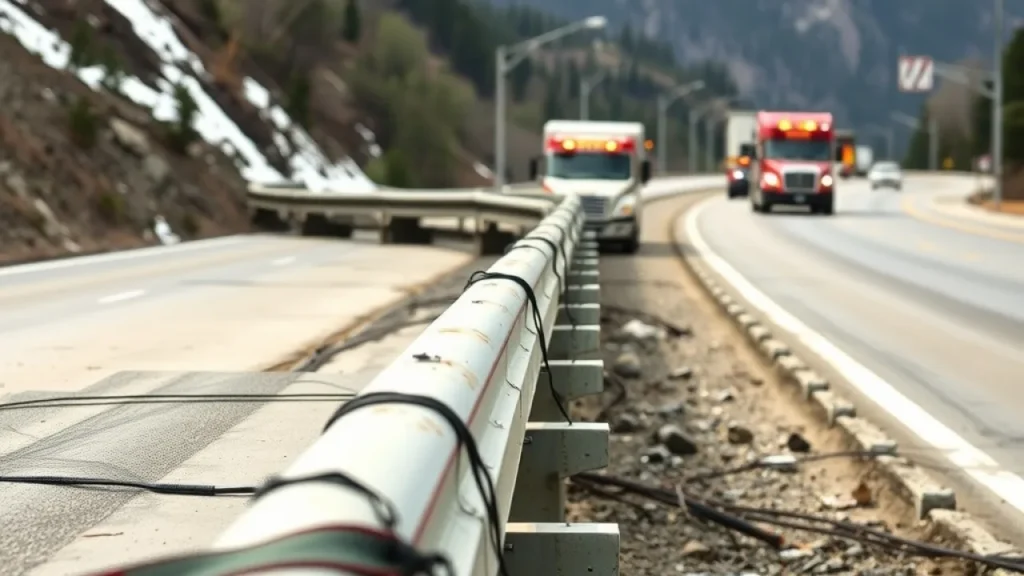
The root causes are structural. Iran’s vehicle fleet is ageing, with many trucks and tankers operating well past their safe lifespan. Maintenance standards are inconsistent, and brake systems like the one that failed on Saturday are not always subject to rigorous inspection regimes. Road infrastructure across much of western Iran remains poor, with uneven surfaces and inadequate barriers adding to the risk.
Heavy freight traffic moves constantly through these corridors, particularly on mountain routes where drivers face demanding conditions and fatigue becomes a factor over long shifts.
How bad is Iran’s road safety crisis compared to other countries?
Iran’s traffic death rate stands at 20 times the global average, according to UNICEF data. This is not a minor outlier but a systemic failure. Official figures suggest that more than 20,000 people are killed annually in Iranian road accidents, with a further 800,000 injured.
By comparison, countries with similar population sizes and economic development typically see death rates a fraction of that figure. The gap reflects not just individual incidents but weak traffic enforcement, limited driver training standards, and infrastructure that has not kept pace with traffic volumes.
What makes Iran’s highways especially dangerous
Several factors compound the danger. Many drivers operate under pressure to meet tight delivery schedules, creating incentive to push vehicles and ignore warning signs of mechanical failure. Regulatory inspections are sporadic, meaning faulty brakes or worn tyres can go undetected.
The geography of western Iran requires long stretches of mountain driving where visibility is limited and weather can change rapidly. Curves are sharp, and accident recovery time is longer when help must travel from distant towns.
Speed enforcement is lax on many routes, and drivers operate with minimal consequence for dangerous behaviour. A tanker driver who ignores a brake warning, or who continues driving with known system faults, faces little practical risk of intervention before a catastrophe occurs.
What comes next for Iranian road safety
The Iran fuel tanker blast will likely spark local investigations and perhaps temporary safety drives. However, without systematic change to vehicle inspection standards, driver training, infrastructure investment and enforcement, the pattern will almost certainly repeat.
Previous accidents have prompted official statements of concern, but sustained policy reform has remained limited. The economic resources required to overhaul road safety nationwide are substantial, and competing priorities in Iran’s budget have often won out.
This story is being followed by Thewealthora’s world desk as a humanitarian and safety issue. We also cover markets and economic consequences when transport disruption affects shipping and trade flows across the region.
Original reporting on this iran fuel tanker blast: Al Jazeera.
More on iran fuel tanker blast from Thewealthora
- Iran US military tension escalates after first clash in a month
- Iran closes Strait of Hormuz: what the blockade means
- Iran economic sanctions: why the U.S. is tightening the screw
- Strait of Hormuz traffic recovery pushed back to 2027
More stories like this on the World News.
Originally reported by Al Jazeera. Facts verified; analysis and wording are Thewealthora’s own.

Sophia Bennett
Executive Editor, World
Sophia Bennett is Executive Editor of Thewealthora's World desk, which covers the stories outside the market pages that eventually end up on them: elections and policy shifts, energy and commodity supply, trade rules, conflict, and the slow events that reprice something months after they happen.