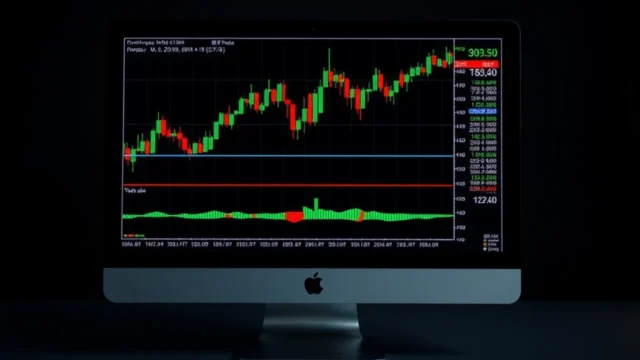
Gold prices rising as Fed decisions and Middle East tensions collide
Gold has climbed to its highest level in two weeks, driven by uncertainty over interest rates and geopolitical risk.


Key Takeaways
- Gold prices rising to two-week highs on Fed rate signals and geopolitical uncertainty
- Central bank policy decisions directly influence gold demand through interest rate expectations
- Middle East conflict remains a traditional trigger for safe-haven buying in precious metals
Gold has climbed to its two-week high, according to Reuters, as two separate forces push investors towards the precious metal at the same time: confusion about what the Federal Reserve will do with interest rates, and the ongoing conflict in the Middle East. When gold prices are rising like this, it typically signals that something is making investors nervous.
Understanding why gold prices rising matters requires knowing what gold actually does in a portfolio. Gold does not pay interest or dividends. It holds value mainly through scarcity and through its role as insurance, a tool investors reach for when they fear losses elsewhere. That role explains why gold prices rising coincides with geopolitical tension and monetary uncertainty.
Why the Federal Reserve and Middle East matter right now
The Federal Reserve sets the interest rate at which US banks lend to each other overnight. That single number ripples through every financial market because it changes the maths of holding cash versus holding assets like gold. When rates are high, holding cash becomes attractive (it earns more interest), so gold prices falling follows naturally. When rates are uncertain or expected to fall, cash becomes less valuable, and gold prices rising becomes a rational trade. Investors are currently unsure whether the Fed will cut rates or hold them steady, and that uncertainty is one force pushing gold prices higher.
The Middle East conflict operates separately. Geopolitical risk (the chance that war or sanctions disrupt oil supplies, shipping routes or trade) historically triggers demand for assets that keep their value regardless of which country’s currency weakens. Gold fits that description perfectly. It trades globally and holds value in every currency. When news from the region worsens, gold prices rising is often what investors observe.
What determines gold’s next move
Gold prices rising and falling depends on Fed statements and meeting dates just as much as on headlines. The Federal Reserve does not hold rates constant indefinitely; it meets eight times per year and can signal future decisions well before they happen. Investors constantly interpret hints from Fed officials about whether they are becoming more worried about inflation (which would support higher rates and slower gold price growth) or about economic weakness (which would support lower rates and faster gold prices rising). The current period has unusually high uncertainty on this question, which creates volatility for gold.
Geopolitical risk is harder to predict. The Middle East conflict could escalate, shrink or remain contained, and each outcome would shift gold demand differently. For now, the persistence of this tension means investors see downside protection in gold positions, sustaining the upward pressure that drove gold prices rising to two-week highs.
How do interest rates affect gold prices?
Interest rates determine the opportunity cost of holding gold, which pays no return. High rates make cash more attractive; low rates or falling rate expectations make gold relatively more attractive. When the Fed signals lower future rates, gold prices rising typically follows within days or weeks.
What this means for you
Gold prices rising can affect you even if you never buy gold coins or bars. Most people encounter gold exposure through investments, savings accounts, or news about inflation. Here is what to watch:
- If you hold a diversified investment portfolio (such as a 401k, IRA, ISA or SIPP), it likely contains a small gold or precious metals allocation through index funds or bond funds. When gold prices are rising, that portion gains value and may rebalance your overall risk.
- Gold prices rising often correlates with a falling US dollar and rising inflation expectations. Check whether your savings account or money market fund is keeping pace with inflation, because those tools have been less reliable during periods of uncertainty.
- If you are thinking about holding cash for safety, remember that gold prices rising during geopolitical crises shows that gold itself can be volatile. It is insurance, not stability, and suits long-term portfolios better than short-term waiting periods.
For more on how precious metals fit into a balanced investment approach and how central bank decisions ripple through markets, read Thewealthora’s guides to commodity investing and understanding the Federal Reserve.
More on gold prices rising from Thewealthora
- SpaceX investors face early losses as Musk’s space venture stumbles
- Is XRP a good investment in 2026? The honest $1.40 answer
- Japan bets on crypto mortgages as Asia embraces digital finance
Originally reported by Reuters. Facts verified; analysis and wording are Thewealthora’s own.

Ethan Caldwell
Executive Editor, Markets
Ethan Caldwell is Executive Editor of Thewealthora's Finance Wire, the desk that carries this site's fast coverage of US equities, corporate earnings, central bank decisions and the macro calendar.