Major lettuce recall: what shoppers need to know right now
Taylor Farms is pulling all iceberg lettuce from central Mexico due to a food safety outbreak affecting U.S. consumers.

Key Takeaways
- Taylor Farms voluntarily removed all iceberg lettuce sourced from central Mexico from U.S. shelves following a cyclosporiasis outbreak
- The FDA and the company are working to notify customers and recover affected products already sold
- Shoppers should check where their lettuce comes from and watch for recall notices from their grocers
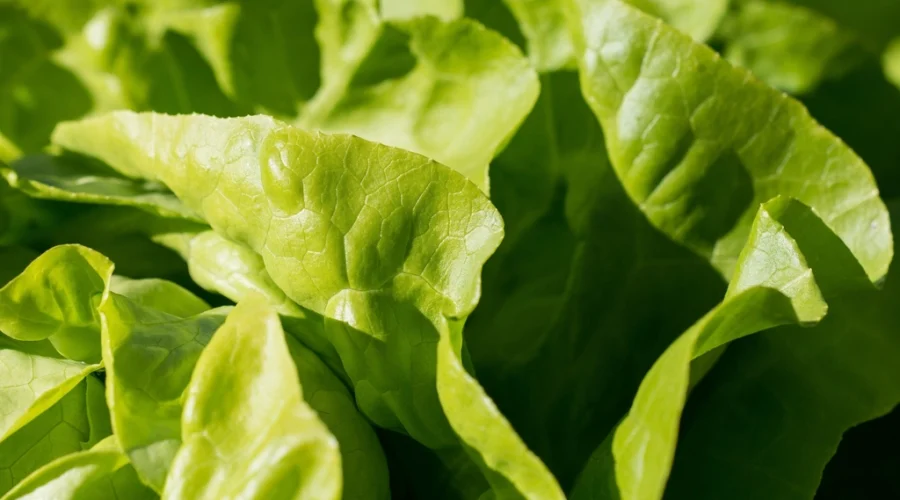
If you bought iceberg lettuce recently, you may want to check where it came from. Taylor Farms, a major produce distributor, announced Friday it’s pulling all iceberg lettuce sourced from central Mexico out of U.S. stores. The move comes after health authorities identified a food safety threat linked to cyclosporiasis, a parasitic infection spread through contaminated produce.
This isn’t a small-scale caution. The company supplies lettuce to grocery stores and food service operations across the country, which is why both Taylor Farms and the Food and Drug Administration (FDA) are now working hard to track down products already on shelves and in homes.
Why this happened
Cyclosporiasis outbreaks tied to imported fresh produce have been a recurring concern for U.S. health officials. The parasite causes intestinal illness and can be particularly serious for people with weakened immune systems. When cases spike and are traced back to a specific source, the FDA and companies typically act fast to prevent further spread.
What happens next
Taylor Farms is notifying customers, both retailers and restaurants, about which products are affected. The company is also working to physically retrieve lettuce that’s already been distributed. In parallel, the FDA is investigating the source of contamination and monitoring for any additional illnesses linked to the recalled lettuce.
If you purchased iceberg lettuce from central Mexico recently, keep an eye on your grocer’s website or the FDA’s recall database for specific brand names and product codes affected by this removal.
How do I know if my lettuce is affected?
Check the packaging for the origin label, if it says central Mexico and it’s an iceberg lettuce product from Taylor Farms or a store brand supplied by them, it’s safer to discard it. Your grocer should also post notices at the produce section or online; you can call them directly if unsure, or search the FDA’s official recall list for exact product details.
What this means for you
For now, consider buying iceberg lettuce from other regions, domestic U.S. sources or other countries not linked to the outbreak. If you already have lettuce at home that you’re unsure about, washing produce thoroughly reduces risk but doesn’t eliminate parasitic contamination completely; when in doubt, it’s safer to discard it.
Keep this recall in mind when shopping: food safety issues do happen, and knowing where your produce comes from is genuinely useful information. Most grocers label produce by origin, so take a quick glance before checkout. If you develop digestive symptoms in the coming weeks after eating lettuce, mention this outbreak to your doctor, early diagnosis makes cyclosporiasis easier to treat.
Go deeper on Thewealthora
- On-chain government bonds: a brutal $15B you mostly can’t buy
- Dow Jones historical data: what 130 years actually says (not what your uncle thinks)
- Japan bets on crypto mortgages as Asia embraces digital finance
Originally reported by The Washington Post. Facts verified; analysis and wording are Thewealthora’s own.

Ethan Caldwell
Executive Editor, Markets
Ethan Caldwell is Executive Editor of Thewealthora's Finance Wire, the desk that carries this site's fast coverage of US equities, corporate earnings, central bank decisions and the macro calendar.