Strait of Hormuz traffic recovery pushed back to 2027
Prediction market odds say the critical shipping lane won't return to normal for over a year, as tensions escalate.

Key Takeaways
- Traders on Kalshi betting market now give just 47% odds that Strait of Hormuz traffic returns to normal by July 2027, down from 70% two days earlier.
- U.S. strikes on Iranian targets and Houthi attacks in the Red Sea have investors pushing back expectations for when ships can safely pass through the critical waterway.
- Only 38% of traders believe the Strait of Hormuz traffic will recover by the end of 2026, meaning most expect disruption to persist for at least another 12 months.
Traders betting on geopolitical outcomes are growing far more pessimistic about when the Strait of Hormuz will reopen to normal shipping, according to CNBC. Prediction markets on the platform Kalshi now assign less than 50% odds that the Strait of Hormuz traffic will fully normalise by July 2027, a dramatic reversal from just two days earlier.
The plunge in confidence came sharply this week. On Friday afternoon, the odds that the Strait of Hormuz traffic would be normal by mid-2027 had fallen to 47%, down from nearly 70% on Wednesday. Meanwhile, hopes that the Strait of Hormuz traffic recovers by the end of this year have collapsed to just 38%, with only a 48% chance of normalisation by April 2027.
Why confidence in a swift reopening has evaporated
Two developments have spooked traders. The United States has carried out 13 consecutive nights of military strikes against Iranian targets, and President Trump indicated through an interview that a “massive attack” on Iran remains possible. Simultaneously, Iranian-backed Houthi rebels operating from Yemen have launched attacks on commercial ships in the Red Sea, including two Saudi-operated oil tankers. The combination suggests that regional tensions are escalating rather than cooling, making safe passage through one of the world’s most critical shipping channels increasingly uncertain.
Matt Smith, director of commodity research at the shipping data firm Kpler, told CNBC that the Houthi attacks represent a new “dimension” to the crisis. The threat is no longer confined to the Strait itself but now extends to the surrounding waters, adding complexity to any reopening timeline. “We’re pushing that reopening into next year,” Smith said, reflecting the market’s shift in expectations. The Kalshi contract that bets traders are using would resolve as normal once the seven-day moving average of transit calls (a standard measure of shipping activity) exceeds 60, according to data verified by the IMF‘s Portwatch service.
What happens next and why it matters
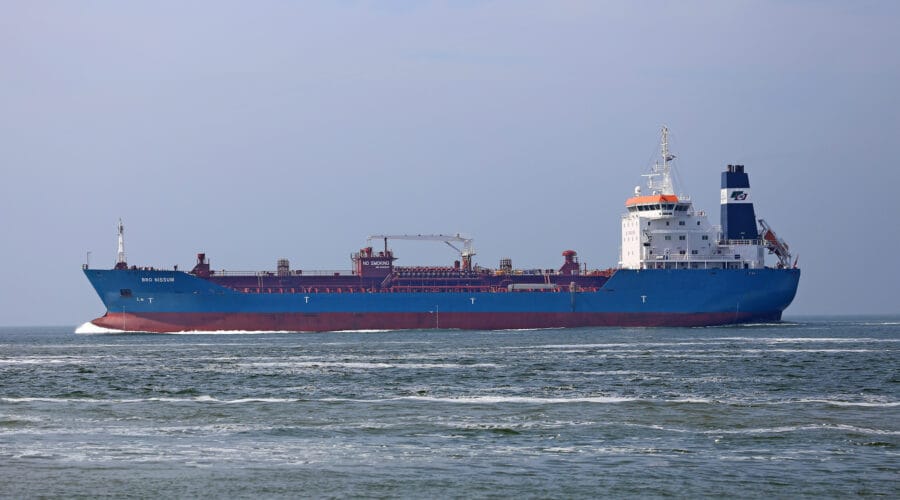
The Strait of Hormuz is the world’s most important oil chokepoint. Roughly one-fifth of all traded oil passes through this narrow waterway between Iran and Oman on its way to global markets. When shipping slows or halts, it disrupts supplies and can push oil prices higher, affecting everything from petrol pumps to heating bills to airline ticket costs. A 12-month disruption would therefore ripple across economies far beyond the Middle East.
Interestingly, Pakistan is now pushing for peace negotiations between the United States and Iran, with support from China, according to Reuters reporting cited on Friday. This diplomatic effort suggests that some nations recognise the economic damage from prolonged tension. However, traders currently see diplomatic progress as unlikely, which is why they are betting against a swift resolution. No peace agreement has been announced, and Trump’s rhetoric continues to be confrontational.
What determines when the Strait of Hormuz traffic is officially “normal” again?
The Kalshi betting market uses a specific metric: when the seven-day moving average of vessel transits exceeds 60 according to IMF Portwatch data, the contract resolves as normal. This is a technical threshold, not a subjective judgment. Traders are essentially betting on when shipping data will show activity has recovered to healthy levels, not on when politics improve.
What this means for you
If you invest, hold commodities, or simply buy goods that travel by sea, the Strait of Hormuz matters. Traders’ forecasts ripple into financial markets before any physical impact materialises. Here’s what the current odds tell us:
- Oil and energy prices may stay elevated longer: If traders believe the Strait of Hormuz traffic will not normalise for 12 months, they already price that into oil futures and commodity funds. Anyone holding energy-focused investments or index funds with oil exposure should understand that the market is already factoring in prolonged supply concerns.
- Broader inflation risk persists: Shipping delays and higher fuel costs eventually feed into the prices of everyday goods. This is one reason why geopolitical events in the Middle East matter to household budgets far away. Monitor inflation expectations if the Strait of Hormuz traffic situation deteriorates further.
- Prediction markets are now a real economic indicator: Kalshi and similar platforms let ordinary investors see what professional traders actually believe will happen, not what politicians say. The shift in odds from 70% to 47% in two days shows how quickly sentiment can change when new information arrives. These odds are worth watching as a real-time market gauge of geopolitical risk.
For more analysis of how geopolitical shocks affect your portfolio and inflation expectations, see Thewealthora’s guides to commodity investing and understanding inflation risk.
More on Strait of Hormuz traffic from Thewealthora
- Bitcoin slides below $65k as geopolitical tension reshapes markets
- Oil prices middle east shipping risks hit six-week peak
- Oil tankers avoid Hormuz as floating storage piles up
Originally reported by CNBC. Facts verified; analysis and wording are Thewealthora’s own.

Ethan Caldwell
Executive Editor, Markets
Ethan Caldwell is Executive Editor of Thewealthora's Finance Wire, the desk that carries this site's fast coverage of US equities, corporate earnings, central bank decisions and the macro calendar.