Labour feel-good factor: how long will it last?
Andy Burnham's arrival has transformed Labour's mood, but an imminent budget and grim economic forecasts threaten the party's newfound optimism.


Key Takeaways
- Labour's spirits have surged since Burnham replaced Starmer, with internal divisions largely disappeared and poll numbers rising.
- The labour feel-good factor masks real tension: a £10 billion budget gap and mounting pressures on energy, defence and welfare spending.
- Senior figures warn the labour feel-good factor could evaporate quickly if economic hardship hits before the government can deliver on its promises.
The Labour feel-good factor has swept through the British Labour Party since Andy Burnham took over as Prime Minister, according to BBC News, but party insiders warn it rests on fragile ground as economic reality closes in.
Burnham loves being in the job. Party activists are cheering a leader who resonates with their values, cabinet ministers report no whispers of discontent, and the polls have ticked upward. One senior figure calls it “the Burnham bounce.” But beneath the optimism at the party conference lies a much darker calendar: a budget announcement just one month away, with a £10 billion hole that must be filled either through tax rises or spending cuts, or both.
The Labour feel-good factor exists partly because it follows the end of Keir Starmer’s tenure. The comparison flatters Burnham. One minister observes wryly that “it’s unfair to compare the end of a regime which is always pretty nasty, with the arrival of a new one which is always more hopeful.” Change feels refreshing. But novelty fades when bills arrive.
| Budget deadline | October 2026, one month away from party conference |
|---|---|
| Treasury pressure | Choice between £10 billion in cuts or £10 billion in tax rises |
| Energy cost forecast | Annual bills predicted to rise £500 in January 2026 |
| Conference timing | Unusual to hold conference just weeks before budget announcement |
| Leadership change | Andy Burnham replaced Keir Starmer as Prime Minister |
Why the budget threatens the Labour feel-good factor
Chancellor John Healey faces a choice that defines whether the Labour feel-good factor survives October. Treasury officials dispute the exact £10 billion figure, but the underlying pressure is real and visible: debt interest costs are climbing, the welfare bill is rising, and defence spending demands are growing. None of these shrink.
The timing is unusual and awkward. Party conferences normally happen after budgets are done, but this one precedes it by weeks. The Labour feel-good factor exists in a conference hall while economic choices are being made in hotel rooms. Ministers know what’s coming and it colours the mood, even if the speeches don’t.
What would need to happen for the Labour feel-good factor to persist through the budget?
The government would need to convince the country that tough fiscal decisions now translate into real improvement later. That requires economic growth, which Burnham’s team has not yet visibly prioritised. Peter Kyle, the former business secretary, has expressed concern that the administration is focused on redistribution rather than wealth creation. As he put it: “We must feel the need for economic growth as acutely as we do about tackling things like rough sleeping.”
One of Burnham’s own advisors described the government as “a traditional tax and spend socialist government with better TikTok.” That wasn’t a compliment. The Labour feel-good factor rests on Burnham and his team being able to show they understand how to make money, not just how to spend it.
External shocks the government cannot control
The Labour feel-good factor also depends on things outside Burnham’s control staying stable or improving. The geopolitical landscape offers no such guarantee.
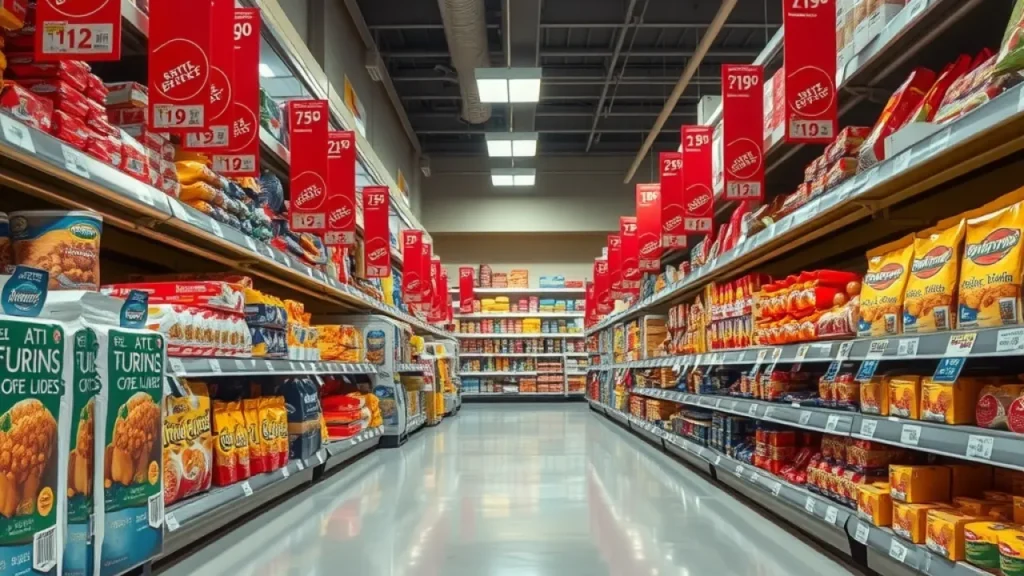
Oil prices remain hostage to Middle Eastern tension. Energy analysts predict annual household bills will jump by £500 from January, with no government lever to pull. Higher energy costs ripple into everything: inflation, food prices, transport. The UK cannot force the United States and Iran to reach a ceasefire, cannot reopen the Strait of Hormuz, cannot stop Russian pressure on European gas supplies as winter approaches. These are not abstract policy questions. They land in Tesco when cereal costs more.
One influential insider remains unconvinced that Burnham and his team have grasped what is coming. “The big economic challenges coming, rising housing costs, rising inflation, downward pressure on public spending because of the cost of borrowing, 500 quid on energy from January – I just don’t see what the game plan is.”
The Labour feel-good factor versus everyday reality
The contrast Burnham benefits from today is not the contrast that will matter in six months. Right now, the Labour feel-good factor thrives because people prefer him to Starmer. But that goodwill evaporates if people’s lived experience gets worse, not better.
A senior minister put it bluntly: “If you go into Tesco and the cereal you buy is noticeably more expensive, that has more cut through than any political clip you see on telly or Facebook.” The Labour feel-good factor cannot survive a sustained squeeze on household budgets, especially if Burnham’s team is seen as either causing it or failing to prevent it.
The tension pulling at Labour is real. The left demands tax cuts for workers and more investment. Business voices want growth measures. The Treasury wants money. Burnham wants both spending and improvement. One senior figure warned: “His political will needs to be more bold than the machine around him, don’t write cheques you can’t cash.”
The Labour feel-good factor may not survive the first budget. One minister predicts: “The budget looks like a disaster, by Halloween we’ll be looking at something else.” That is a portent, not a certainty. But it captures the nervous knowledge among insiders that the Labour feel-good factor is a moment, not a foundation. How it translates into actual economic improvement, or fails to, will decide whether Burnham leads a transformed party or a disappointed one.
More on labour feel-good factor from Thewealthora
- Burnham assisted dying vote: why the PM will abstain
- Gold prices rising as Fed decisions and Middle East tensions collide
- Japan bets on crypto mortgages as Asia embraces digital finance
- Tether Gold reserves rise as gold posts worst quarter
Originally reported by BBC News. Facts verified; analysis and wording are Thewealthora’s own.

Sophia Bennett
Executive Editor, World
Sophia Bennett is Executive Editor of Thewealthora's World desk, which covers the stories outside the market pages that eventually end up on them: elections and policy shifts, energy and commodity supply, trade rules, conflict, and the slow events that reprice something months after they happen.