SpaceX investors face early losses as Musk’s space venture stumbles
SpaceX shareholders are seeing red after the company's recent public debut, but some are holding firm.

Key Takeaways
- SpaceX stock has dropped since its IPO, affecting both retail and institutional investors
- Despite losses, some shareholders are not selling, betting on long-term upside
- Early IPO struggles are common in high-growth, high-hype tech companies
SpaceX’s debut stumble catches investors off guard
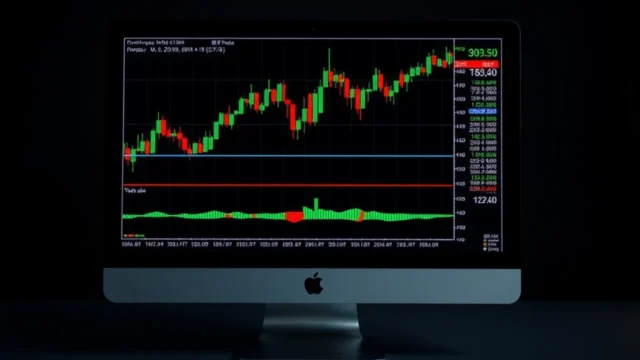
When SpaceX went public, investors were riding high on Elon Musk’s visionary pitch and the company’s track record launching rockets and resupplying the International Space Station. But the honeymoon has ended quickly. Share prices have fallen since the initial public offering, leaving both everyday investors and Wall Street professionals nursing losses on their positions.
The drop highlights a pattern familiar to anyone who’s watched tech IPOs in recent years: enormous expectations meet the reality of running a business, and early buyers sometimes overpay for the privilege of being first.
Who’s hurting and who’s holding on
Retail investors, everyday people buying through brokerage accounts, jumped in hoping to catch the next big winner. Institutional investors, like mutual funds and hedge funds managing other people’s money, did too. Now both camps are watching their unrealized gains turn into paper losses. Yet despite the red ink, neither group appears to be heading for the exits en masse. Some investors are standing pat, apparently gambling that SpaceX’s long-term business potential will eventually reward their patience.
Why do IPO stocks often fall after they debut?
IPOs frequently peak on or shortly after their first trading day because early hype and scarcity create buying pressure. Once regular trading begins and market reality sets in, prices often pull back as profit-takers sell and cautious investors reassess valuation. This is especially common for companies with ambitious, hard-to-predict business models, like launching rockets and building space infrastructure.
The space industry’s timing problem
SpaceX operates in an emerging sector where profitability timelines are long and capital needs are enormous. Investors must grapple with questions about government contracts, competition from other launch providers, and the commercialization of space travel, none of which have obvious answers. Early enthusiasm can’t survive hard math for long.
What this means for you
If you’re considering buying into heavily hyped IPOs, remember that first-day excitement rarely reflects fair value. Companies with trillion-dollar visions often need years to deliver trillion-dollar results. Losses hurt, but they’re also instructive: diversifying across different company stages and industries, rather than concentrating bets on one flashy debut, can cushion the blow when any single stock disappoints. Whether SpaceX ultimately succeeds or stumbles, early buyers were taking a speculative bet, not an automatic ticket to wealth.
Go deeper on Thewealthora
- Meta’s AI spending surge and 3 other bets to watch today
- Crypto casino: 7 brutal money traps that drain beginners
- Crypto capital gains tax: the “just hold it” myth that’s landing investors with surprise bills
Originally reported by CNBC. Facts verified; analysis and wording are Thewealthora’s own.

Ethan Caldwell
Executive Editor, Markets
Ethan Caldwell is Executive Editor of Thewealthora's Finance Wire, the desk that carries this site's fast coverage of US equities, corporate earnings, central bank decisions and the macro calendar.