Montagu harrier breeding success offers hope for UK’s rarest raptor
The UK's rarest bird of prey has nested successfully for the second consecutive year, raising six chicks and offering a lifeline to a species on the brink of extinction.
 Arpit Soni
· Published · 5 min read · ✓ Sources cited
Arpit Soni
· Published · 5 min read · ✓ Sources cited

Key Takeaways
- A single male Montagu harrier has fathered 10 chicks across two years at a secret English farmland location, reversing years of breeding failure.
- The species vanished entirely from successful UK breeding between 2020 and 2024 after peaking at nine nests in 2011, now ranked on the red list of most at-risk British birds.
- Scientists have tagged two chicks with satellite trackers for the first time to map juvenile migration routes and protect nests from accidental destruction during farm harvests.
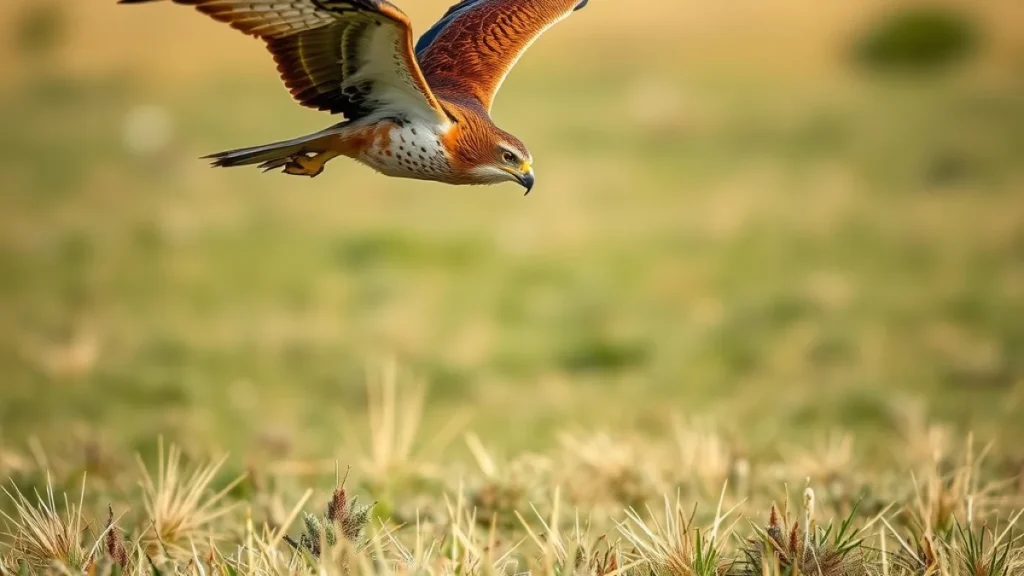
The UK’s rarest bird of prey has reared chicks for the second consecutive year at a secret location on English farmland, according to the Royal Society for the Protection of Birds. A single male Montagu harrier, identified by conservationists as “AU”, has fathered six chicks this breeding season across two separate nests, continuing what conservation experts view as a dramatic turnaround for a species that nearly vanished from British skies.
Just four years ago, Montagu harrier breeding had ceased entirely in the UK. Between 2020 and 2024, not a single successful nest was recorded anywhere in the country, a stark collapse from the peak of nine successful nests in 2011. The species was placed on the red list of birds most at risk in Britain in 2021, a designation reserved for birds facing the gravest threats to their survival.
Last year saw the first Montagu harrier breeding success in five years, with four chicks fledged at the same secret location. This year’s result, with six more chicks, suggests the recovery may be gaining momentum rather than proving to be a one-off recovery.
| Chicks fathered in two years | 10 total: 4 last year, 6 this year from two nests |
|---|---|
| Breeding success gap | No confirmed UK nesting 2020 to 2024, peaking at 9 nests in 2011 |
| Red list status | Classified as most at-risk UK birds in 2021 |
| Conservation innovation | Two chicks fitted with satellite tags for first-ever juvenile tracking study |
Why Montagu harrier breeding matters now
The male bird’s ability to father chicks from two different females shows something unexpected: there may be more adult females present in the UK than conservationists realised, or females are returning to breed after years away. Neither explanation was certain before this year.
The location has not been publicly disclosed for good reason. Montagu harrier breeding pairs nest on the ground, tucked among growing crops on farmland across summer months. This makes them vulnerable to destruction by farm machinery during harvest, a real and ongoing risk despite farmers’ best intentions.
Protection at this site involves collaboration between the RSPB and the landowners. Fences have been erected around the nests to exclude ground predators such as foxes, and the area is carefully monitored throughout the nesting season. The male bird has performed the exhausting task of feeding two broods of chicks simultaneously, hunting constantly to meet their appetites.
BBC cameras were given exclusive access to film the harriers’ behaviour, capturing a hunting technique that few people have ever witnessed: the male drops freshly caught prey in mid-air, and the female rolls upside down in flight to snatch it from him in her talons, a coordinated manoeuvre that looks improvised but is precisely timed.
What satellite tags reveal about Montagu harrier breeding futures
For the first time, the RSPB has attached satellite tracking tags to two of the six chicks. This step is not routine research: it is an attempt to fill a critical gap in the species’ survival puzzle.
Once Montagu harrier breeding pairs fledge their young, those juveniles disappear. They migrate south to Africa in winter, returning to Europe the following spring or summer to breed themselves, but the actual routes they take, the locations they stop at, and whether they survive the journey have remained a mystery. This ignorance has made it harder for conservationists to protect the species beyond the nesting season.
“It will allow us for the first time ever to work out where they’re going, what migration route, how long they’ll spend there, and will they come back to the UK in the first year or the second year,” said Mark Thomas, head of investigations at the RSPB. “All of that information is the bit that’s missing from the jigsaw.”
Why is Montagu harrier breeding so fragile?
The species faces multiple pressures that combine to make survival difficult. Climate change is altering the timing of European summer in ways that affect Montagu harrier breeding directly. Harvests are now occurring a month earlier than historical averages, meaning crop-nesting birds are at heightened risk of nest destruction just when chicks are most vulnerable.
The farming landscape itself has changed. Intensive agricultural practices have reduced habitat quality and food availability. Loss of hedgerows, field margins and rough grassland across Europe and Africa have shrunk the breeding and wintering grounds Montagu harrier breeding has historically depended upon.
These birds are long-distance migrants by necessity, spending half the year in Africa and half in Europe. Any disruption along their migration corridor, whether through habitat loss, persecution, or accidents, reduces their chances of returning.
Why this matters
Montagu harrier breeding success at a single English farm may sound like a modest conservation win, but it represents something larger about how species on the edge of extinction are saved, and how fragile that process remains.
- The RSPB and farming partners have proven that Montagu harrier breeding can be protected through careful site management and cooperation, but this requires sustained effort and secrecy to prevent disturbance or deliberate harm.
- Juvenile birds fitted with satellite tags will provide the first reliable data on where Montagu harrier breeding chicks migrate, which could unlock protection strategies across Africa and the Middle East beyond the UK’s borders.
- Early harvest dates driven by climate change now pose a direct threat to Montagu harrier breeding success, meaning climate resilience is becoming as important as habitat protection for the species’ survival.
The RSPB is asking birdwatchers to report any sightings of young harriers to montys@rspb.org.uk. The data from tagged chicks, combined with community reports, should gradually reveal whether this Montagu harrier breeding recovery can expand beyond a single location and establish itself more widely across the UK.
Original reporting on this montagu harrier breeding: BBC News.
More on montagu harrier breeding from Thewealthora
- Bitcoin ETF inflows hit six-day streak as flows stabilise
- Bitcoin hits $62k amid US buyer weakness
- Crypto trading for beginners: 1 simple, safe move for $100
- Ferrari raises 2026 guidance after strong Q2
Originally reported by BBC News. Facts verified; analysis and wording are Thewealthora’s own.

Arpit Soni
The Thewealthora desk covers markets, money and personal finance, with zero jargon and every claim sourced.