Artemis II crew Congressional Space Medal of Honor award
Four astronauts who flew farther from Earth than anyone in history will receive the US's highest space honour on 28 August.
 Arpit Soni
· Published · 5 min read · ✓ Sources cited
Arpit Soni
· Published · 5 min read · ✓ Sources cited

Key Takeaways
- Artemis II crew broke the 54-year-old record for farthest distance from Earth, reaching 252,756 miles during their April mission
- Only 30 astronauts in history have received the Congressional Space Medal of Honor, including Neil Armstrong
- The ceremony takes place as Trump's administration proposes cutting NASA's budget by 23% for fiscal 2027
Four astronauts who flew the Artemis II crew Congressional Space Medal of Honor mission will receive the United States’ highest space accolade on 28 August, NASA announced this week. Commander Reid Wiseman, pilot Victor Glover, and mission specialists Christina Koch and Jeremy Hansen shattered a 54-year-old record when they ventured farther from Earth than any human beings before them.
The Artemis II crew Congressional Space Medal of Honor ceremony will be held at the Johnson Space Center in Houston, with the livestream beginning at 11am local time. President Donald Trump selected the four astronauts for the honour on recommendation from NASA administrator Jared Isaacman.
| Distance achieved | 252,756 miles (406,771km) from Earth |
|---|---|
| Previous record | Apollo 13's 248,655 miles set in 1970 |
| Medal ceremony date | 28 August 2026 at Johnson Space Center, Houston |
| Recipients named | Reid Wiseman, Victor Glover, Christina Koch, Jeremy Hansen |
| Total recipients ever | Only 30 astronauts have received this honour |
Why the Artemis II crew Congressional Space Medal matters
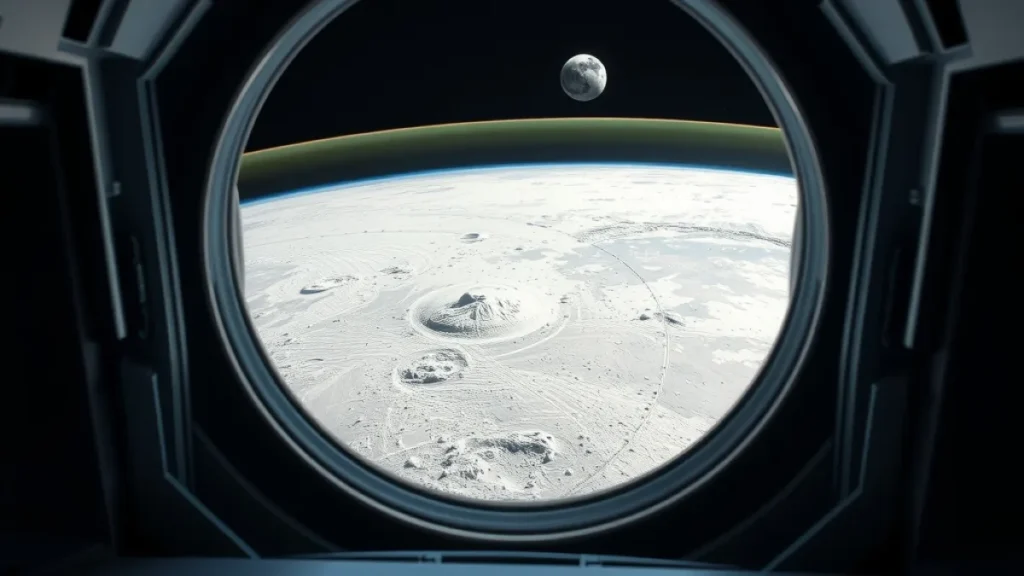
During their 10-day mission beginning 1 April, the Artemis II crew Congressional Space Medal finalists reached 252,756 miles (406,771 kilometres) as they looped around the moon. This broke Apollo 13’s record of 248,655 miles, set in 1970 during that mission’s emergency return to Earth.
The distinction is not trivial. Only 30 astronauts in the entire history of spaceflight have ever received the Congressional Space Medal of Honor. That exclusive list includes Neil Armstrong, the first person to set foot on the moon, and John Glenn, who was the first American to orbit Earth before later serving four terms as a senator.
Previous medal recipients also include the seven astronauts killed in the Apollo 1 fire, and the 14 who died in the Challenger and Columbia shuttle disasters. When Douglas Hurley and Robert Behnken received the Artemis II crew Congressional Space Medal honour in 2023, they became the first to earn it for flying on a commercial spacecraft. Wiseman, Glover, Koch and Hansen are the first to receive it for a lunar voyage since the Apollo era.
Wiseman reflected on the psychological weight of the journey after the mission’s textbook Pacific splashdown. He told reporters: “Before you launch, it feels like it’s the greatest dream on Earth. And when you’re out there, you just want to get back to your families and your friends.”
What happens next and the politics behind the honour
The ceremony comes four months after Trump hosted the Artemis II crew at the White House in celebration. The president, who turned 80 in June, seized the moment to boast about his own fitness to the astronauts, telling them: “I would have had no trouble making it, I’m physically very, very good.”
Yet there is sharp irony in the administration’s embrace of the Artemis II crew’s accomplishments. Trump’s budget proposal for the 2027 fiscal year, beginning 1 October, would slash NASA’s funding by 23 percent overall and cut space science initiatives by 46 percent. This would effectively terminate planetary exploration missions and other scientific research.
Congress has pushed back. A House subcommittee led by Trump’s own Republican party has advanced a competing NASA budget proposal that preserves the science projects the administration wants to eliminate. The tension reflects a wider split within the Republican party itself over whether to prioritize dramatic human missions to the moon and Mars, or the quieter but crucial work of understanding climate, asteroids and distant planets.
Why does Congress care about NASA funding if the president is the one cutting it?
NASA’s budget is approved by Congress, not the president alone. The Trump administration can propose cuts, but members of Congress, especially those representing districts where NASA centres operate, have their own interest in keeping that money flowing. The Johnson Space Center itself is in Houston, represented in Congress by Republicans who benefit from the jobs and prestige those facilities provide.
The Artemis II crew Congressional Space Medal recognition also carries symbolic weight. By honouring astronauts while simultaneously proposing to starve the agency of resources, the administration risks appearing to celebrate the past while undermining the future.
Why this matters
The Artemis II crew’s journey represents the farthest any human has travelled from home, and their medal placement them in the company of history’s greatest explorers. But the backdrop reveals how space ambition is contested in Washington, and how budgets ultimately determine what gets explored.
- The Artemis II crew will join an extraordinarily small group of 30 medal recipients, most of whom flew in the Apollo programme or the space shuttle era, making this the highest recognition NASA can bestow
- The honour comes as Trump’s administration proposes deep cuts to NASA’s planetary science and climate research divisions, even while celebrating human spaceflight achievements
- Congress is actively resisting those cuts through its own budget process, setting up a confrontation over whether space exploration should be narrowly focused on landing humans on Mars or remain broadly scientific in scope
The medal ceremony on 28 August will be watched closely as a signal of whether the Trump administration intends to genuinely support NASA’s broader mission, or simply use astronauts as symbols while redirecting funds elsewhere. Thewealthora also covers markets and money, including how space ventures attract private investment and how budget proposals affect companies in the aerospace sector.
Original reporting on this artemis ii crew congressional space medal: The Guardian.
More on artemis ii crew congressional space medal from Thewealthora
- Keeta opens ecosystem to third-party crypto services
- Should I buy Nvidia stock at $221? (5 honest reasons Wall Street is asking it wrong)
- Saudi Arabia Turkey Pakistan defence pact: what it means for markets
- S&P launches blockchain fundamentals index for digital assets
Originally reported by The Guardian. Facts verified; analysis and wording are Thewealthora’s own.

Arpit Soni
The Thewealthora desk covers markets, money and personal finance, with zero jargon and every claim sourced.