Iran closes Strait of Hormuz: what the blockade means
Tehran insists the strategic waterway remains shut despite a new shipping route deal with Oman, escalating regional tensions.

Key Takeaways
- Iran says the Strait of Hormuz is still closed to traffic, rejecting suggestions that a new Oman route changes that status
- The distinction between 'closed' and routing through Oman reveals how Iran is using selective maritime control as leverage
- About one-third of global oil shipped by sea normally passes through Hormuz, making Iran's position a critical economic pressure point
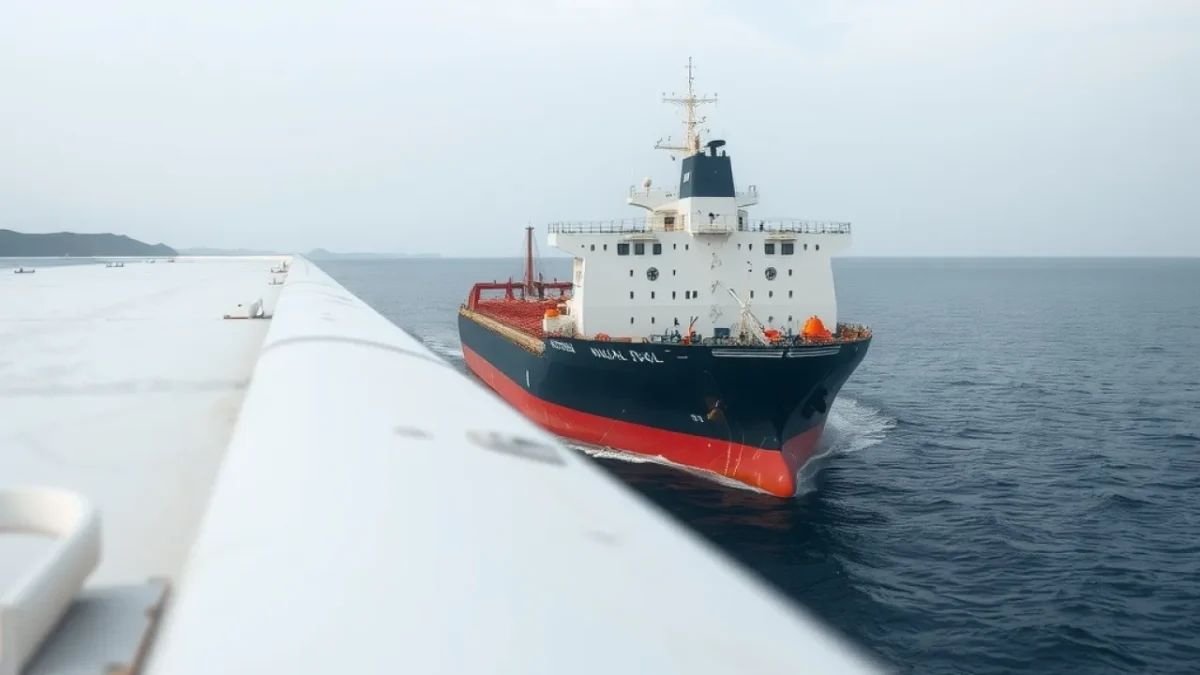
Iran insists the Strait of Hormuz remains closed to shipping, according to Al Jazeera, even though it has just agreed with Oman on alternative maritime routes through Omani waters. The distinction matters more than it sounds: Tehran is drawing a line between officially shutting the strait versus allowing ships to navigate around it, a subtle but calculated move that tightens control over one of the world’s most critical energy corridors.
The Strait of Hormuz sits between Iran and Oman at the mouth of the Persian Gulf. Roughly one-third of all oil shipped by sea passes through it each year, making it the single most important chokepoint in global energy supply. Any disruption there ripples through energy prices and supply chains worldwide, which is precisely why Iran’s position carries such weight.
| Strait traffic normally | Roughly one-third of global seaborne oil passes through Hormuz |
|---|---|
| Iran's statement | Tehran says Hormuz remains closed despite Oman routing agreement |
| Route announced | Oman negotiated alternative passage routes through its territorial waters |
| Strategic importance | Hormuz is a critical choke point between the Persian Gulf and Arabian Sea |
Why Iran closes Strait of Hormuz but allows Oman routes
Iran’s statement is not a contradiction but a negotiating tactic. By saying Iran closes Strait of Hormuz while simultaneously agreeing to Oman-mediated passage, Tehran is claiming it controls who moves through the region and under what conditions. The official closure tells the world Iran is asserting dominance; the Oman deal shows it will permit traffic only through channels it has approved and can monitor.
This approach serves multiple purposes at once. Legally, Iran closes Strait of Hormuz as an act of sovereignty, declaring the waterway off-limits. Practically, ships can still transit via Oman’s territory and waters, which sits immediately south and east of the strait. The route is longer and requires cooperation with a third party, giving Iran leverage over shipping without the outright blockade that would invite direct military retaliation.
Historically, maritime chokepoints are tools of statecraft. When a country controls traffic through a strait, it gains leverage over trade, prices and political negotiations without firing weapons. Iran has tested this before during periods of tension, and each time it learns how far it can push. The Oman routing suggests Iran believes it can maintain economic pressure while reducing the risk of military escalation.
The Oman agreement also reflects a diplomatic reality. Oman has long played peacemaker in the Persian Gulf, maintaining relationships with Iran while hosting Western military assets. Its willingness to negotiate routing around Iran’s closure shows that even neutral regional players accept Iran closes Strait of Hormuz as a fact of current geopolitics, even if they work to minimise the damage.
What happens next with regional shipping
The immediate effect on energy markets depends on whether the Oman routes prove viable for large shipping volumes. Alternative passages exist, the longer route around Africa adds weeks to journeys and cost to fuel. Some tankers can use the Oman waters, but not all ships fit those channels. This creates a bottleneck within the bottleneck.
How does this affect oil prices and supply?
If Iran closes Strait of Hormuz completely, supply tightens and crude prices rise. If the Oman route absorbs enough traffic, disruption remains contained but shipping costs climb due to longer journeys and insurance premiums for the risk. Markets are pricing in partial disruption rather than total blockade, which is exactly the outcome Iran appears to be engineering.
The stakes extend beyond oil. Liquefied natural gas, minerals, grain and manufactured goods all flow through this route. A sustained partial closure would raise inflation globally and slow trade-dependent economies.
Why this matters
This dispute is not just maritime logistics; it is Iran using geography as a political weapon.
- Energy costs: Any sustained reduction in oil transit raises prices worldwide, affecting fuel, heating and goods that rely on transport.
- Global trade: The longer Oman route increases shipping times and insurance costs for businesses relying on just-in-time delivery and narrow margins.
- Regional power: Iran closes Strait of Hormuz to demonstrate it can act without triggering the direct military response that a full blockade would provoke, testing how much pressure the international system will tolerate.
The situation remains fluid. If Oman routes prove sustainable, Iran closes Strait of Hormuz symbolically while allowing commerce to flow, a win for Tehran’s leverage and Oman’s stability. If they fail, the full economic consequences return. Thewealthora also covers how geopolitical moves like these shape money and markets.
More on Iran closes strait of Hormuz from Thewealthora
- Iran economic sanctions: why the U.S. is tightening the screw
- Gulf stock markets await Strait of Hormuz deal clarity
- Trump low-keying Iran while tightening economic pressure
- Strait of Hormuz traffic recovery pushed back to 2027
More stories like this on the World News.
Originally reported by Al Jazeera. Facts verified; analysis and wording are Thewealthora’s own.

Sophia Bennett
Executive Editor, World
Sophia Bennett is Executive Editor of Thewealthora's World desk, which covers the stories outside the market pages that eventually end up on them: elections and policy shifts, energy and commodity supply, trade rules, conflict, and the slow events that reprice something months after they happen.