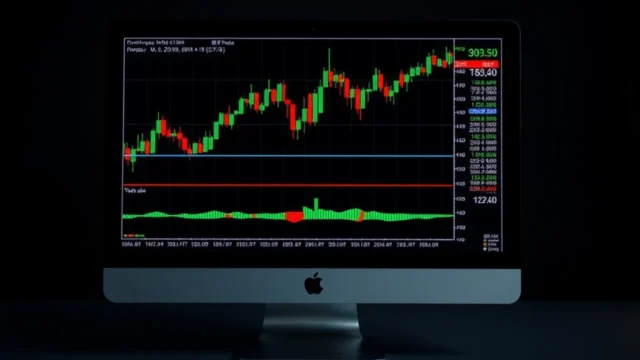
SpaceX shares plunge, erasing $1 trillion from peak value
SpaceX stock fell 5.4% Friday as the rocket and AI company loses ground from its all-time highs.

Key Takeaways
- SpaceX shares dropped 5.4% to $123.99, wiping $1 trillion from the company's peak valuation
- The decline reflects broader market pressures on high-flying tech and aerospace companies
- Peak-to-current gaps are common in growth stocks and don't necessarily signal fundamental problems
SpaceX shares took a significant hit on Friday, falling 5.4% to close at $123.99 per share. The decline erased more than $1 trillion from the company’s all-time high valuation, a sobering reminder of how quickly paper wealth can swing in the stock market, especially for companies with outsized expectations built into their prices.
For investors watching the aerospace and artificial intelligence sectors, this matters because SpaceX isn’t just a rocket company anymore. It’s become a barometer for how Wall Street values the intersection of space exploration, satellite internet, and AI-driven technology. When a heavyweight like this stumbles, it often signals shifting sentiment across related industries.
Why the sudden drop?
The wire report doesn’t specify a single catalyst, but mega-cap tech and aerospace stocks have faced headwinds from rising interest rates, profit-taking after strong rallies, and shifting investor appetite for growth-stage companies. When a company’s value has soared on future potential rather than current earnings, even modest negative news, or just profit-taking, can trigger sharp pullbacks.
Does a $1 trillion loss mean SpaceX is in trouble?
Not necessarily. The $1 trillion figure represents the gap between SpaceX’s peak valuation and its current market value, not an actual loss of revenue or capability. Companies with highly volatile stock prices often see these large swings as investors reassess growth prospects and risk. Unless SpaceX’s underlying business, rockets, Starlink satellite internet, or AI initiatives, has fundamentally broken, the valuation reset may simply be the market correcting an overheated price.
What this means for you
If you own SpaceX shares directly or through a fund, this is a moment to resist panic and focus on basics: Why did you invest in the first place? Has that thesis changed? Large single-day drops are uncomfortable but normal in high-growth stocks. Selling in a panic often locks in losses; holding or buying more depends on your risk tolerance and time horizon.
If you’re not invested in SpaceX, this serves as a useful lesson: extraordinary valuations built on future promises can correct just as fast as they climb. Before chasing any stock that’s soared on hype, ask whether the current price already assumes everything goes perfectly.
Market volatility in companies like SpaceX isn’t a sign to abandon tech investing, it’s a sign to invest with clear conviction and a plan, not emotion.
Go deeper on Thewealthora
- SpaceX stock hits new lows after test flight delay
- Why a Chinese AI startup spooked Wall Street this week
- SpaceX investors face early losses as Musk’s space venture stumbles
Originally reported by Bloomberg. Facts verified; analysis and wording are Thewealthora’s own.

Ethan Caldwell
Executive Editor, Markets
Ethan Caldwell is Executive Editor of Thewealthora's Finance Wire, the desk that carries this site's fast coverage of US equities, corporate earnings, central bank decisions and the macro calendar.