Google Maps fuel prices now show UK forecourt costs
Google Maps now displays petrol and diesel costs at UK forecourts, pulling data from the government's Fuel Finder scheme.

Key Takeaways
- Google Maps fuel prices feature launches Thursday in the UK, showing costs at forecourts alongside location data
- Three-quarters of British adults use Google Maps for navigation, giving the feature far wider reach than specialist fuel apps
- The system relies on forecourts updating Fuel Finder within 30 minutes of price changes, though some sites fail to comply
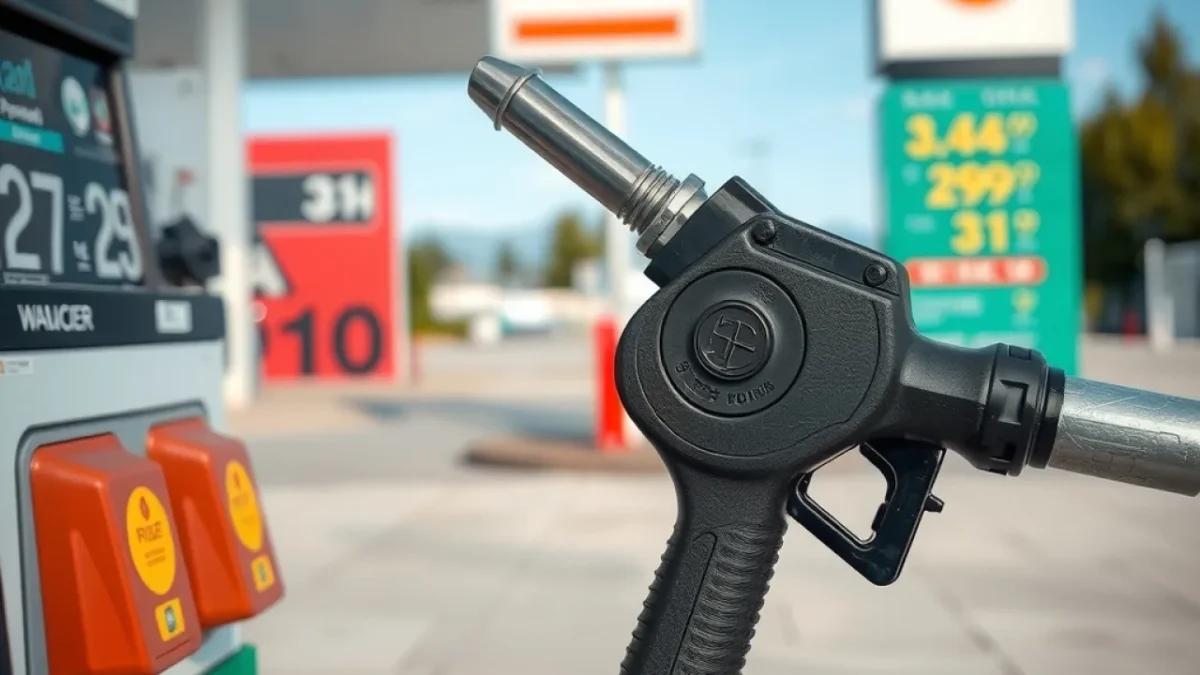
Google Maps fuel prices are now available in the UK as the navigation app joins the government effort to help motorists find cheaper petrol and diesel during a period of soaring costs. From Thursday, searching for forecourts on the app will display their locations and current pricing, pulling data from the government’s Fuel Finder scheme.
The move comes as diesel reached £2 per litre for the first time in recent history, a threshold the RAC described as unwelcome. Although diesel has fallen 2p since then, the AA estimates a typical 55-litre tank still costs around £110 to fill, with petrol equivalents at around £96.
The feature matters because Google Maps reaches audiences far beyond specialist fuel-finding apps. Ofcom data shows 77% of Britain’s adult population uses the service for navigation, compared with around 2 million UK users of Waze (which already shows fuel prices) and the various dedicated fuel-price apps available.
| Launch date | Thursday (7 October 2026) |
|---|---|
| Data source | Government Fuel Finder scheme |
| UK adults using Google Maps | 77% (Ofcom) |
| Recent diesel price | Topped £2 per litre for first time |
| Average tank cost | £110 for 55 litres diesel, £96 for petrol (AA) |
| Fuel Finder compliance gap | 200 forecourts identified not updating diesel prices on time (September) |
Why forecourt pricing matters now more than before
Fuel costs across the world have been driven upwards by two major conflicts: the US military engagement with Iran and Russia’s invasion of Ukraine. Both disrupt global oil supplies and push prices higher. The UK market has felt the effects acutely, making the ability to spot cheaper forecourts a practical way for households to trim spending.
The government introduced Fuel Finder in February under former chancellor Rachel Reeves, who claimed it could save households £40 per year by making prices transparent. The scheme requires forecourts by law to update their prices within 30 minutes of any change.
The accuracy problem nobody wants to discuss
How reliable is the Fuel Finder data behind Google Maps?
The answer is: less reliable than customers might assume. Clare Lafferty, director at PetrolPrices, a price comparison site, explained that Fuel Finder alone does not provide complete coverage or consistent accuracy. The firm identified 200 forecourts in September that had failed to update their diesel prices within the required timeframe. Some sites have never registered with the scheme at all.
Google has said it checks the data independently and will only display prices it has high confidence in. If the company suspects pricing information is stale, it will show the forecourt location but withhold the price. Sarah-Jayne Williams, director of product partnerships for Google Maps and Waze, stated: “Accuracy is very important, so we will still show the petrol station and where it is, but you’ll only see a price if we have high confidence that it’s the right price.”
The Retail Motor Industry Federation, representing thousands of UK forecourts, said its members were complying with the scheme. However, enforcement of the 30-minute update rule appears patchy in practice.
How this compares to what already exists
Apple Maps does not display fuel prices at all, though some third-party apps can connect to Apple’s mapping data on iPhones. Waze, owned by Google, introduced fuel prices to its UK service earlier, but reaches a fraction of Google Maps’ audience. Specialist fuel-finding apps exist but require users to open a separate service rather than use their primary navigation tool.
Google Maps fuel prices change that equation by embedding pricing into an app most British adults already open regularly. The barrier to checking is now much lower: someone navigating to a destination can see forecourt prices without switching apps.
Thewealthora follows global energy markets, the drivers of fuel prices, and household spending trends across the sectors that matter to your money.
Original reporting on this google maps fuel prices: BBC News.
Related coverage
- Robot theme parks open in South Korea with humanoid dancers
- Why a Chinese AI startup spooked Wall Street this week
- Federal reserve stablecoin rules delayed over a year
- Crypto vaults and lending securities rules may tighten
Originally reported by BBC News. Facts verified; analysis and wording are Thewealthora’s own.

Sophia Bennett
Executive Editor, World
Sophia Bennett is Executive Editor of Thewealthora's World desk, which covers the stories outside the market pages that eventually end up on them: elections and policy shifts, energy and commodity supply, trade rules, conflict, and the slow events that reprice something months after they happen.