Tech earnings narratives collapse as Nvidia and Salesforce beat
Strong results from Nvidia and Salesforce have demolished the bear cases that dominated investor thinking for months.

Key Takeaways
- Nvidia's 70% revenue growth outlook for fiscal 2028 crushes the bear narrative that demand was slowing
- Salesforce's strongest sales growth in four years and doubled AI bundle bookings prove software subscriptions are not under threat
- Amazon committing to 2 million Nvidia GPUs despite building its own chips shows why the custom-chip threat was overstated
Strong quarterly results from Nvidia and Salesforce have shattered tech earnings narratives that had pressured both stocks for months, according to Jim Cramer on CNBC‘s Mad Money on Thursday. The two companies’ better-than-expected prints forced a reckoning with some of Wall Street’s most entrenched bear cases, sending both stocks soaring and wiping out much of the year’s losses.
Shares of Salesforce rocketed 22% and Nvidia climbed 8% after each reported on Wednesday evening. For Cramer, the moves proved how dangerous it is to let popular tech earnings narratives override what companies are actually delivering to their customers.
| Stock moves | Salesforce +22%, Nvidia +8% after Wednesday evening earnings |
|---|---|
| Salesforce sales growth | Strongest in four years, with year-on-year growth across sales, service and Slack |
| Nvidia revenue forecast | ~70% growth expected in fiscal 2028, versus ~45% Wall Street had forecast |
| AWS GPU commitment | Amazon Web Services planning to buy 2 million Nvidia GPUs plus millions of new Vera CPUs |
| Salesforce AI bundles | Bookings more than doubled from the prior quarter |
| Nvidia customer mix | Hyperscalers now roughly 50% of revenue, rest from sovereign AI and other customers |
The Salesforce narrative crumbles
The bear case against Salesforce rested on a simple idea: better AI models would let companies do more with fewer software licences, eroding the entire subscription model. It sounded plausible enough to drag the stock down 22% for the year, even after a recent rally.
But the actual results told a different story. Salesforce delivered its strongest sales growth in four years. Customer seats grew year over year across its sales, customer service and Slack products. Attrition remained near historic lows, suggesting customers were sticky, not fleeing.
The most damaging blow to the bear narrative came from Salesforce’s AI bundles. Bookings for these offerings more than doubled from the previous quarter, showing that businesses were not abandoning software subscriptions but buying more of them. These customers were not trying to do less with Salesforce; they were paying extra for AI-powered features.
Salesforce’s partnership with Anthropic, the AI startup, added another layer of refutation. Many had worried that pure-play AI companies would cannibilise traditional software. Instead, Salesforce and Anthropic built Claudeforce together, which lets Claude users access Salesforce data to compose emails and update records. The collaboration proved the two models could coexist and reinforce each other.
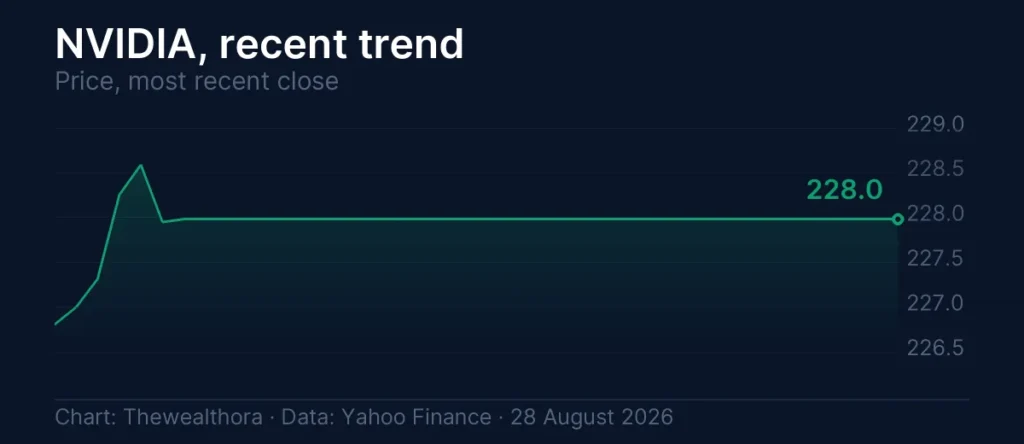
Why the Nvidia bear tech earnings narratives fell apart
Nvidia faced an even broader collection of worries. Hedge funds and analysts had built a case around slowing demand from hyperscalers, competition from custom chips, older Nvidia hardware losing value, delays to its next-generation Vera Rubin platform and broader risks from financing its AI customers’ growth.
Each piece of this narrative sounded reasonable in isolation. Together, they painted a picture of a company hitting a ceiling.
Nvidia’s earnings demolished all of it. The company revealed it had successfully diversified away from pure hyperscaler dependence. Hyperscalers now accounted for roughly half its revenue. The other half came from sovereign AI projects, neoclouds and other customers, reducing concentration risk that had spooked the market.
On the custom-chip threat, Amazon provided the most concrete rebuttal. Despite years of building its own AI processors, AWS announced plans to buy 2 million Nvidia GPUs and potentially millions of Vera CPUs. This was not a company hedging; it was a vote of confidence. Amazon had concluded that designing custom chips could not move fast enough or match Nvidia’s software stack.
What Nvidia’s guidance revealed about demand
The most striking moment came with Nvidia’s outlook. The company signalled that revenue could grow roughly 70% in fiscal 2028, far exceeding the roughly 45% growth Wall Street had forecast. This was not cautious guidance; it reflected genuine confidence in AI demand staying robust for years.
That kind of visibility comes only when a company sees clear demand stretching well into the future and customers are already committing to it. Older Nvidia infrastructure remaining productive for years, thanks to software improvements, also countered the narrative about rapid GPU depreciation. The hardware was not becoming obsolete; companies were finding ways to extract more value from it.
What this meant for the market
Cramer’s point was not that bears were wrong about everything; it was that popular tech earnings narratives had drifted so far from reality that they distorted prices. Both stocks had sold off based on plausible-sounding stories that turned out to ignore what customers were actually saying with their wallets and their bookings.
The rally erased much of Salesforce’s year-to-date decline in a single day. Investors who had held through the bear-case period, trusting the companies’ fundamentals, had a phenomenal day. Those who had sold on the narrative took losses.
For deeper analysis on how to spot when tech earnings narratives have disconnected from reality, and how to evaluate AI spending trends, explore Thewealthora’s guides on identifying market turning points and assessing technology-sector strength.
More on tech earnings narratives from Thewealthora
- Fed official mortgage fraud denial: Cook fights Trump removal bid
- Tokenized deposits warning: Dallas Fed fears $700bn banking shift
- Brighthouse Financial takeover stalls amid investor concerns
- Nvidia customer concentration risk tests earnings push
Originally reported by CNBC. Facts verified; analysis and wording are Thewealthora’s own.
How this was written: drafted from the report above with AI assistance to the standards of the Executive Editor, Markets, checked against our house rules and published automatically. No claim is made that a person read it before it went out. Our editorial policy sets out who is responsible for it.

Ethan Caldwell
Executive Editor, Markets
Ethan Caldwell is Executive Editor of Thewealthora's Finance Wire, the desk that carries this site's fast coverage of US equities, corporate earnings, central bank decisions and the macro calendar.