

Russia expands crypto mining ban to Moscow through 2032
Russia has extended its cryptocurrency mining restrictions to Moscow and surrounding regions, citing electricity supply constraints until 2032.

Key Takeaways
- Russia has broadened its crypto mining ban to include Moscow, Moscow Region, and parts of Kursk Region through 2032
- The restrictions target electricity consumption concerns rather than crypto itself
- Mining operations now face a complex patchwork of regional restrictions across Russia
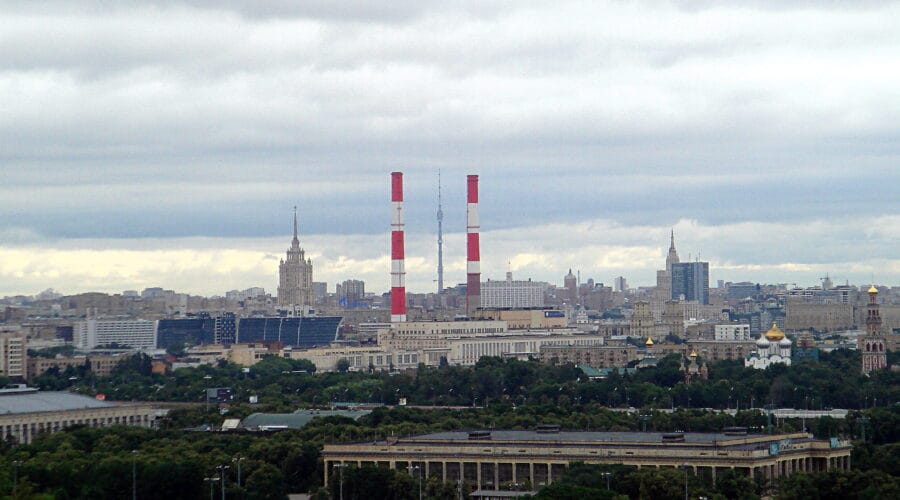
Russia has extended its cryptocurrency mining ban to Moscow and neighbouring regions, according to Cointelegraph. The measure, which runs through 2032, adds the capital, Moscow Region and sections of Kursk Region to areas where crypto mining is now prohibited.
This marks an expansion of restrictions that were previously limited to other parts of the country. The crypto mining ban now covers one of Russia’s most economically significant areas, where energy demand is already substantial.
Why Russia is tightening the screws on crypto mining
The official reason given for the crypto mining ban is pressure on the electricity grid. Moscow and its region consume enormous amounts of power, and authorities believe cryptocurrency mining operations would strain that supply further.
Cryptocurrency mining is an energy-intensive process. Miners run vast numbers of computer chips continuously to solve mathematical puzzles and validate blockchain transactions, consuming as much electricity as entire towns. A single large mining facility can demand tens of megawatts of power.
In regions where power infrastructure is already stretched, adding mining operations creates a genuine supply problem. Russia’s power grid has faced capacity constraints in recent years, particularly as demand fluctuates seasonally and industrial activity varies.
By restricting mining in Moscow and surrounding areas, the government effectively reserves that electricity for residential users, businesses and critical infrastructure rather than allowing it to be consumed by cryptocurrency operations.
What this means for Russia’s crypto landscape
Russia now operates under a fragmented approach to the crypto mining ban rather than a uniform national policy. Some regions permit mining; others ban it outright. This creates a patchwork that makes it difficult for operators to plan long-term investments.
The decision to ban the crypto mining ban through 2032 signals that Moscow will not reconsider this policy for at least the next six years. This timeline suggests the government believes power constraints in the region will persist.
Has Russia banned cryptocurrency entirely?
No. Russia has restricted mining, which is different from banning crypto itself. Citizens can still own, trade and use cryptocurrencies in most regions. The restrictions target the industrial process of generating new coins and validating transactions, not holding or transacting with existing digital assets.
What this means for you
The crypto mining ban in Moscow matters primarily if you operate or invest in mining businesses, or if you monitor how different countries regulate cryptocurrency infrastructure.
- If you hold cryptocurrencies: This does not affect your ability to own or trade digital assets. The ban targets mining operations, not ownership. You can continue to buy, sell or hold crypto in Russia as before.
- If you invest in crypto mining companies: Operations in Moscow and its region now face significantly higher costs or must relocate entirely. Check where your mining investments are physically located, since profitability depends heavily on access to cheap electricity.
- If you follow global crypto regulation: This shows how governments often frame cryptocurrency restrictions in practical terms (energy policy) rather than ideological ones (banning innovation). Other countries facing power shortages may follow similar approaches.
For a deeper look at how cryptocurrency mining works and why electricity costs matter so much to profitability, see Thewealthora’s guides on blockchain technology and mining economics.
More on crypto mining ban from Thewealthora
- Russia’s crypto trading infrastructure launch explained
- CFTC warning prediction markets over vague contract approvals
- Gold tokenization doubles as NATG trading delay continues
Originally reported by Cointelegraph. Facts verified; analysis and wording are Thewealthora’s own.

Ethan Caldwell
Executive Editor, Markets
Ethan Caldwell is Executive Editor of Thewealthora's Finance Wire, the desk that carries this site's fast coverage of US equities, corporate earnings, central bank decisions and the macro calendar.


Good