Russia’s crypto trading infrastructure launch explained
Russia's largest bank plans to open crypto trading infrastructure by December, signalling the country's shift toward regulated digital assets.

Key Takeaways
- Sberbank, Russia's biggest bank, will launch crypto trading infrastructure by 1 December 2026
- Russia is creating formal rules for crypto market participants, moving from prohibition toward regulation
- Crypto assets will be permitted in foreign trade operations, expanding their economic use beyond speculation
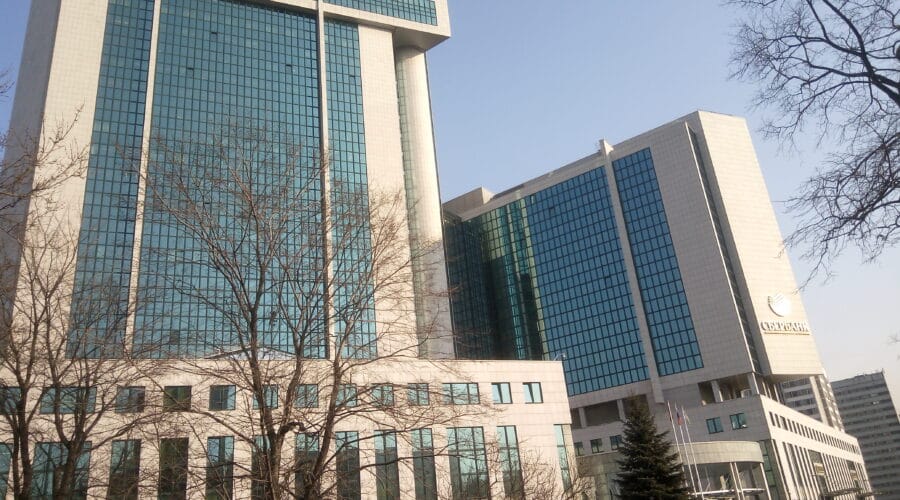
Russia’s largest bank Sberbank is building crypto trading infrastructure and plans to go live by 1 December, according to Cointelegraph. The move marks a significant shift for a country that banned cryptocurrency trading just years ago, and it comes as the government finalises formal rules for how digital assets can operate within its borders.
The crypto trading infrastructure project is not simply a bank deciding to offer trading services. It signals that Russia’s authorities have decided to move from outright prohibition towards supervised, regulated markets for digital assets.
Why Russia is legalising crypto now
Russia’s previous stance on cryptocurrency was hostile. Trading and use of crypto as payment were effectively banned, and the government treated digital assets with deep suspicion. That environment has changed dramatically.
The country faces international sanctions that have restricted its ability to conduct business in US dollars and euros. Cryptocurrency, which operates outside traditional banking networks, offers a potential workaround for cross-border payments that bypass Western financial controls.
By allowing crypto assets to be used in foreign trade operations, Russia gains a tool for international commerce when traditional channels are blocked. This is not about retail investors wanting to buy Bitcoin: it is about the state finding practical economic alternatives.
Sberbank’s crypto trading infrastructure is part of a broader framework. The government is simultaneously establishing formal rules for market participants (exchanges, custodians, traders) so the sector operates in an orderly way rather than entirely outside the law.
What happens next and what remains unclear
The 1 December deadline is firm. Sberbank, which controls roughly a third of Russian banking assets, has committed to launching the infrastructure within this year. If that date holds, Russian customers could begin trading crypto through the bank within months.
What the rules will actually permit remains partly unknown. Will Russians be able to trade crypto freely, or will the government restrict which assets are tradable? Will crypto withdrawals to private wallets be allowed, or must all crypto remain within state-supervised platforms? These details have not been publicly clarified.
Will Russian citizens be able to trade freely?
The announcement says the government is establishing rules for market participants, but does not specify whether retail crypto trading will be unrestricted. In practice, most authoritarian states that have legalised crypto have done so under tight controls: limited asset lists, restrictions on withdrawals, and mandatory use of state-approved platforms. Russia’s final framework will likely follow that pattern, though the specifics are not yet known.
International crypto markets may welcome the infrastructure launch. More regulated volume from a major economy could add liquidity to global markets. However, it also entrenches crypto’s role in sanctions evasion, which may prompt further Western pressure on crypto exchanges and banks that facilitate Russian activity.
What this means for you
This news matters to crypto investors and holders worldwide because it reshapes how major economies approach digital assets. It also illustrates how geopolitics and financial isolation are accelerating crypto adoption in unexpected ways.
- If you hold or trade crypto: More regulatory clarity in a large economy typically increases overall market maturity and reduces risks from sudden government crackdowns. However, Russia-backed crypto activity may trigger Western regulatory backlash that affects where and how you can trade.
- If you use a crypto exchange: Watch whether your platform gains access to Russian users and volume. Conversely, if you are in a Western jurisdiction, your exchange may face pressure to cut Russian customer access, which could affect trading fees and liquidity for everyone.
- If you are new to crypto: This shows that cryptocurrency is becoming embedded in real-world economics, not just speculation. Understanding why governments adopt it (or ban it) helps you grasp what drives crypto prices beyond headlines.
For a deeper dive into how crypto regulation differs by country and what risks or opportunities that creates for your portfolio, explore Thewealthora’s in-depth guides on cryptocurrency policy and digital asset security.
More on crypto trading infrastructure from Thewealthora
- Gold tokenization doubles as NATG trading delay continues
- South Korea’s largest bank launches JPMorgan blockchain payments
- Ethereum ETFs inflow streak ends after five days
Originally reported by Cointelegraph. Facts verified; analysis and wording are Thewealthora’s own.

Ethan Caldwell
Executive Editor, Markets
Ethan Caldwell is Executive Editor of Thewealthora's Finance Wire, the desk that carries this site's fast coverage of US equities, corporate earnings, central bank decisions and the macro calendar.