Gas prices squeeze BNPL shoppers as Affirm reports earnings
Affirm CEO warns that high petrol costs are forcing American consumers to lean more heavily on buy now, pay later services.

Key Takeaways
- Gas prices squeeze shoppers into using BNPL services more often, according to Affirm CEO Max Levchin.
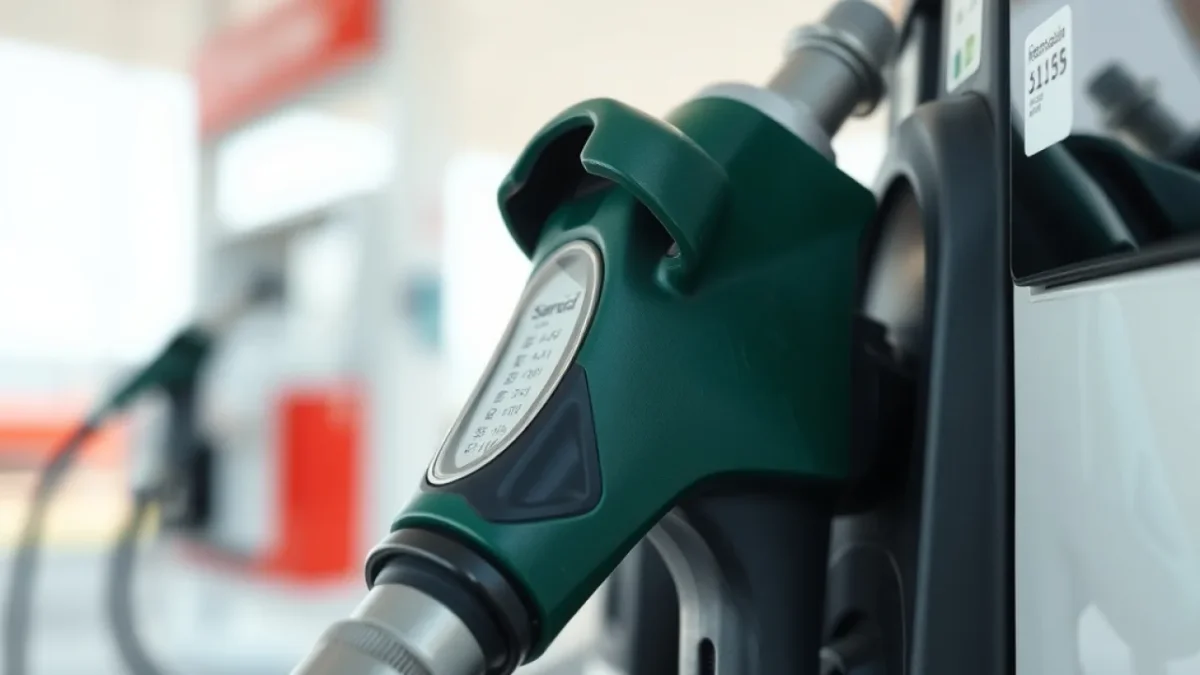
- National average petrol stands at $4.09 per gallon, down from May peaks but far above pre-conflict levels.
- Affirm beat revenue expectations with $1.17 billion in Q4, signalling consumer demand for flexible payment options.
Gas prices squeeze American shoppers into using buy now, pay later services more often, according to Affirm’s chief executive, and the firm’s latest earnings report shows the strategy is working, reports CNBC.
Affirm Holdings reported fourth-quarter revenue of $1.17 billion on Thursday evening, comfortably ahead of the $1.11 billion consensus estimate. Chief executive Max Levchin told investors and analysts that gas prices squeeze consumer budgets in a way that drives traffic to the fintech firm’s platform, where shoppers can split purchases into instalments without interest.
The stock closed nearly flat on Friday as the market absorbed the results and Levchin’s commentary on spending patterns.
| Q4 revenue reported | $1.17 billion, beating $1.11 billion estimate |
|---|---|
| Gas price now | $4.09 per gallon nationally, down from $4.50+ in May |
| Last time under $3 | 2 March 2026 |
| GMV in Q4 | $14.1 billion, topping $13.39 billion expectation |
| PCE inflation July | 3.7% annual rate, 0.2% monthly |
Why gas prices squeeze spending across the board
The national average price for unleaded petrol reached $4.09 per gallon as of Friday, according to American Automobile Association data. While that represents a retreat from May’s peak of above $4.50, it remains vastly higher than the levels before tensions with Iran disrupted global energy markets.
The last time the national average dipped below $3 per gallon was 2 March 2026. For a household filling a 50-litre tank, the difference between $3 and $4.09 is roughly £15 per fill-up, or around £300 a year at current driving patterns.
Levchin framed this squeeze not as a crisis but as a behaviour shift. “The U.S. consumer undoubtedly sees the higher gas prices,” he told CNBC. “They’re also coming to us to help manage those prices across all the various inflationary points.” In other words, gas prices squeeze households, and those households then turn to flexible payment options to free up immediate cash.
How inflated costs drive demand for flexible credit
Affirm’s own data backs this observation. Gross merchandise volume (the total value of all transactions on the platform) climbed to $14.1 billion in the quarter, beating StreetAccount’s forecast of $13.39 billion by a comfortable margin.
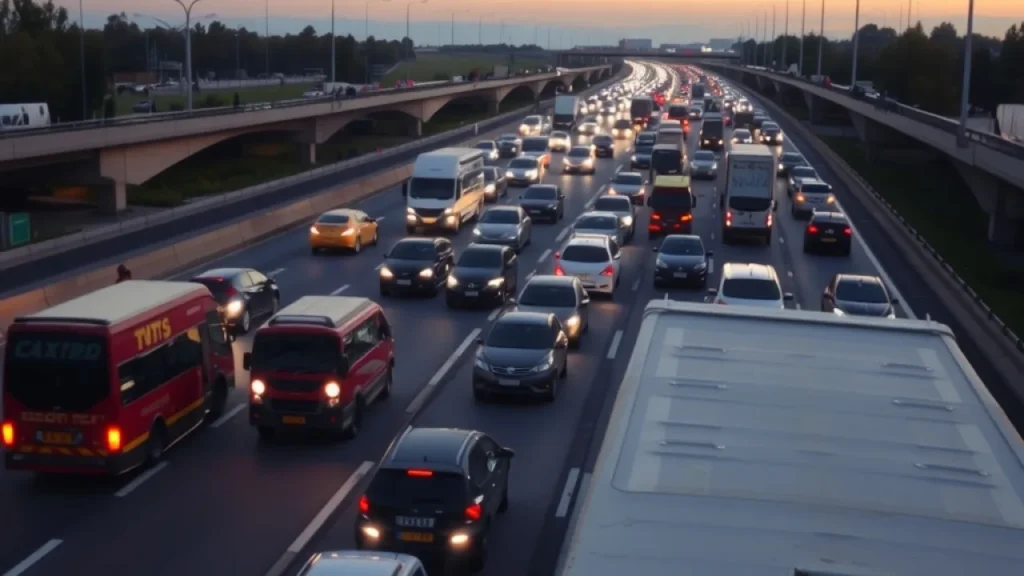
The dynamic works like this: when gas prices squeeze budgets tighter, consumers become more deliberate about every other purchase. Instead of buying groceries or clothing outright, they use BNPL to spread the cost. Levchin told CNBC that “in times of inflation, we see more demand because folks are budgeting. They’re more thoughtful about how they want to use the money, and we’re there to help.”
This is not unique to petrol. Broader inflation was running at 3.7% annually in July, according to the personal consumption expenditures index, the Federal Reserve‘s preferred gauge. That same month, the PCE rose 0.2% on a seasonally adjusted basis, suggesting price pressures remain embedded in the economy.
What gas prices squeeze tells us about consumer health
The paradox is that consumers still have some ammunition. Personal income rose 0.4% in July and spending climbed 0.2%, both figures beating expectations. Yet Levchin struck a cautious note when asked about the outlook. “I do think that sustained pressure on prices isn’t great in the long term,” he said. Gas prices squeeze wallets today, but if petrol, groceries and rent all remain elevated, eventually even flexible financing runs out of room.
The Federal Reserve will face this same calculus in September when chairman Kevin Warsh and the policy committee decide their next move on interest rates. If gas prices squeeze shoppers hard enough to slow their spending, inflation may fall naturally. But if petrol stays above $4, the Fed may need to act.
What Affirm’s forecast signals about the months ahead
Affirm guided for first-quarter revenue of $1.19 billion to $1.22 billion, well ahead of the $1.16 billion consensus. This tells investors that management expects gas prices squeeze to persist and that demand for BNPL will remain robust through the seasonally stronger autumn period.
The earnings beat is real, but it is also a symptom. Affirm thrives when traditional credit tightens and inflation pinches. Gas prices squeeze households today; tomorrow, if sustained petrol costs coincide with a recession, even BNPL demand could falter. For now, Levchin has positioned his firm as a buffer between inflation and the consumer. How long that buffer holds depends partly on OPEC decisions and partly on whether the inflation rate finally breaks its stubborn plateau at 3.7%.
More on gas prices squeeze from Thewealthora
- Zinc prices four-year high as supply tightens globally
- Fed official mortgage fraud denial: Cook fights Trump removal bid
- Tokenized deposits warning: Dallas Fed fears $700bn banking shift
- Brighthouse Financial takeover stalls amid investor concerns
More stories like this on the Finance Wire.
Originally reported by CNBC. Facts verified; analysis and wording are Thewealthora’s own.

Ethan Caldwell
Executive Editor, Markets
Ethan Caldwell is Executive Editor of Thewealthora's Finance Wire, the desk that carries this site's fast coverage of US equities, corporate earnings, central bank decisions and the macro calendar.