Boeing gets back control of plane safety checks
The FAA allows Boeing to certify its own aircraft again after years of oversight following deadly crashes.

Key Takeaways
- Boeing regains authority to self-certify 737 Max and 787 aircraft after FAA oversight that began following 2019 crashes
- The restoration of responsibility follows months of improved compliance and quality measures by the company
- Investors should understand this marks a turning point in Boeing's recovery, though regulatory trust remains conditional
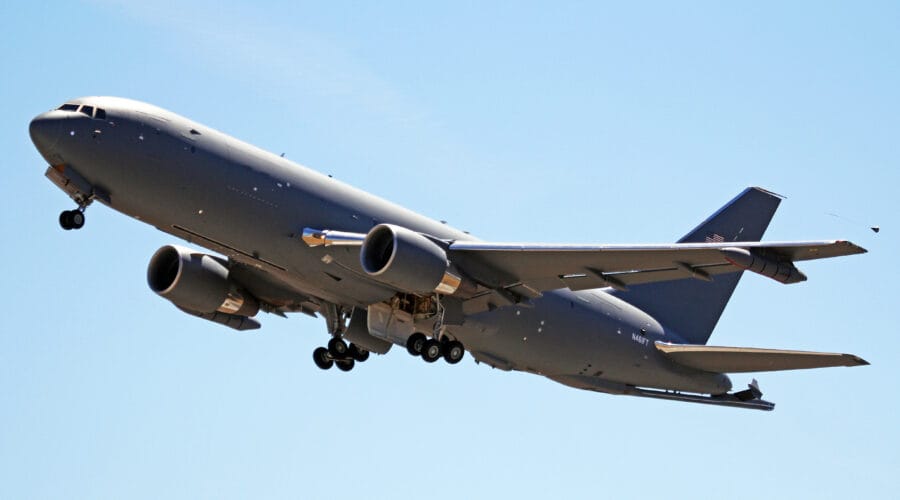
Boeing just cleared a significant hurdle in its long road back to normalcy. The Federal Aviation Administration announced Friday that the planemaker can resume certifying its own aircraft as safe to fly, a privilege it lost in 2019 after two deadly crashes involving its 737 Max jet.
For nearly seven years, the FAA has been the gatekeeper, personally reviewing and approving every 737 Max and 787 aircraft before it left the factory. Now, starting next week, Boeing gets that responsibility back. This matters because self-certification is standard industry practice, and regaining it signals that Boeing has met strict compliance standards again.
Why Boeing lost this power in the first place
The 737 Max crashes in Indonesia and Ethiopia killed 346 people total. Both accidents involved a new flight-control software system that pilots didn’t fully understand and Boeing hadn’t properly disclosed to airlines or regulators. The disasters exposed serious gaps in how Boeing designed, tested, and reported its technology. The FAA’s takeover was essentially a timeout, a way to rebuild confidence in the company’s quality controls.
What changed to earn trust back
Boeing spent the past several years overhauling its safety culture and manufacturing practices. The FAA’s decision reflects what regulators observed: months of consistent compliance improvements, better internal audits, and demonstrated commitment to catching problems before planes ship out. This doesn’t mean Boeing is perfect or that crashes can’t happen again, no manufacturer is risk-free. But it shows the company has rebuilt enough institutional discipline that the FAA felt comfortable stepping back into an advisory role rather than a supervisory one.
Does this mean Boeing planes are now safe?
Safety is never absolute, but this means Boeing’s quality systems are again operating to FAA standards. The FAA still conducts spot checks and retains authority to intervene if problems emerge. Passengers and airlines shouldn’t view this as a blanket promise, ongoing vigilance from regulators, manufacturers, and airlines is always the real safety net.
What this means for you
If you own Boeing stock, this decision removes a regulatory cloud that’s shadowed the company for years. It signals a path toward normal operations and potentially stronger profitability, fewer FAA oversight costs, faster aircraft delivery, and improved investor confidence. However, remember that one regulatory milestone doesn’t erase a company’s past or guarantee smooth sailing ahead. The aviation industry remains competitive and cyclical.
If you’re a frequent flyer, this is mostly background information. Aircraft safety depends on many layers: manufacturer design, regulatory oversight, airline maintenance, and pilot training. A single certification decision doesn’t materially change your risk on any flight. Stay informed, but don’t let regulatory news drive disproportionate worry.
Go deeper on Thewealthora
- What Is a Good Credit Score to Buy a Car? A Straight Answer for US and UK Buyers in 2026
- Crypto casino: 7 brutal money traps that drain beginners
- Part Time Remote Jobs What Actually Works in 2026 (Answering the Reddit Question)
Originally reported by Associated Press. Facts verified; analysis and wording are Thewealthora’s own.

Ethan Caldwell
Executive Editor, Markets
Ethan Caldwell is Executive Editor of Thewealthora's Finance Wire, the desk that carries this site's fast coverage of US equities, corporate earnings, central bank decisions and the macro calendar.