Oil prices fall despite Middle East tension and US hurricane threat
Crude extends losses even as geopolitical risk and Gulf production threats mount, revealing how supply concerns no longer drive the market.


Key Takeaways
- Oil prices fell despite two major bullish factors: Middle East tensions and Hurricane Isaias threatening US Gulf production
- The disconnect shows demand concerns now outweigh supply anxiety in determining crude valuations
- Weakening global economic signals are overriding traditional oil risk premiums
Oil prices fall despite conditions that would normally trigger a rally, as elevated Middle East tensions coexist with Hurricane Isaias threatening production across the U.S. Gulf Coast, according to the Wall Street Journal.
The counterintuitive move exposes a fundamental shift in how crude markets now operate. Supply disruptions and geopolitical risk used to be reliable price drivers, but their failure to support oil today signals that traders are pricing in something more powerful: faltering global demand.
| Event | Oil prices extend losses amid elevated Middle East tensions |
|---|---|
| Supply threat | Hurricane Isaias threatens US Gulf Coast oil production |
| Market dynamic | Supply risks failing to support prices despite historical patterns |
| Date reported | 9 October 2026 |
Why traditional supply risks are not lifting oil
Historically, any combination of Middle East unrest and Caribbean weather threatening U.S. production would have sent crude sharply higher. Traders would bid up prices to compensate for the risk that barrels might not reach market.
That blueprint has stopped working. The reason is not that traders have become complacent about supply. Rather, they are wrestling with the prospect that even if production is disrupted, there may be no buyers willing to pay for extra barrels if economic growth is slowing.
A shrinking demand outlook can overwhelm supply anxiety because crude has value only if someone needs to burn it. Refineries, power plants and petrochemical factories will not process more oil if their own orders are weakening.
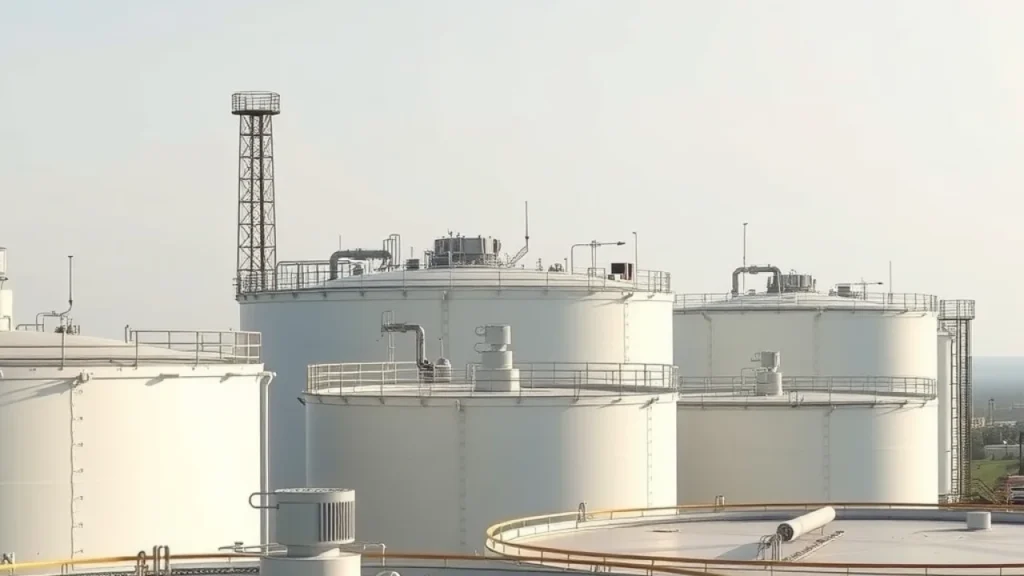
Hurricane Isaias and the Gulf production question
What would normally happen to oil when a hurricane threatens US Gulf operations?
In a healthy demand environment, traders would rush to lock in supplies, pushing prices higher as they priced in the lost barrels during the storm. Offshore platforms account for about one-sixth of U.S. crude production, so any disruption to the Gulf is material.
But that conventional premium has evaporated, suggesting the market is confident that replacement supply will be found elsewhere or that demand is soft enough that the lost barrels simply will not be missed.
Middle East tensions sidelined as a price driver
Elevated tensions in the region ought to trigger what traders call a risk premium, an extra margin built into the price to compensate for geopolitical tail risk. The Middle East still holds the majority of the world’s proven oil reserves, and any conflict there can ripple through global supply chains for months.
That those tensions are failing to bid up crude prices now reveals how thoroughly demand concerns have taken over the narrative. Traders are effectively saying: we will worry about supply disruption when we know the world needs the barrels.
What the oil market is pricing in
The divergence between rising supply risk and falling prices points to a reckoning about global economic momentum. Manufacturing data, trade flows and corporate earnings have been softening. If that trend deepens into a broader slowdown, crude demand falls faster than supply constraints can matter.
Oil markets are forward-looking, meaning they embed expectations for conditions weeks or months ahead. The failure of newsworthy supply threats to support prices now is a signal that traders expect headwinds to economic activity to outweigh any near-term production losses.
For readers tracking energy and global markets, Thewealthora has detailed guides to how commodity prices reflect economic cycles and to tracking geopolitical risk in your portfolio.
Original reporting on this oil prices fall: WSJ Markets.
Related coverage
- Nikkei falls on machinery stocks and Iran tensions
- Webull China ties expose U.S. investor data to Beijing
- Hong Kong dollar facility: why Congress wants the Fed to cut it off
- Institutional investors stock market dominance returns as retail traders retreat
More stories like this on the Finance Wire.
Originally reported by WSJ Markets. Facts verified; analysis and wording are Thewealthora’s own.

Ethan Caldwell
Executive Editor, Markets
Ethan Caldwell is Executive Editor of Thewealthora's Finance Wire, the desk that carries this site's fast coverage of US equities, corporate earnings, central bank decisions and the macro calendar.