Zinc prices four-year high as supply tightens globally
zinc prices four-year high as mine disruptions and inventory draws cut global supply, pushing the metal to $3,955 per tonne.

Key Takeaways
- Zinc prices four-year high reflects sharp inventory depletion and production disruptions at mines and smelters worldwide
- Supply constraints outside China have tightened considerably, limiting the pool of immediately available refined metal
- Modest buyer demand is triggering outsized price moves because available inventory has become so scarce
Zinc prices four-year high marks a significant shift in the base metals market, driven by a sharp depletion of available inventory and production troubles spreading across the globe. According to The Guardian, the metal climbed to $3,955 per metric tonne this morning, its highest level since May 2022, as supply constraints tighten.
The climb reveals a market increasingly starved of immediate supply. London Metal Exchange (LME) warehouses that normally act as a safety valve for buyers have seen their holdings drawn down sharply, restricting the cushion of instantly available metal when demand arises.
| Zinc spot price | $3,955 per metric tonne, highest since May 2022 |
|---|---|
| LME inventory movement | Drawn sharply lower due to mine and smelter disruptions |
| Market constraint | Supply outside China notably tight; consumers face thinner pool of available units |
| Price sensitivity | Modest buying triggers larger price response than in other base metals |
Why zinc prices four-year high matters now
Three forces are converging to push zinc prices four-year high. First, mines and smelters across multiple countries have suffered operational disruptions, cutting the flow of newly refined metal into the market. Second, the geographic distribution of remaining supply has shifted sharply. Refined availability outside China has tightened considerably, meaning buyers in Europe and the US face a much narrower range of trading counterparts willing to sell.
Third, the market has become hypersensitive to normal buying activity. Typically, a rise in zinc prices four-year high would be absorbed by drawing on inventory reserves or switching to alternative suppliers. Neither option is readily available now. Consumers hunting for metal to galvanise steel face a thinner pool of counterparts offering immediate delivery, so relatively small purchase orders create outsized price swings.
This is not a story of sudden panic buying. Instead, zinc prices four-year high reflect what happens when modest, routine demand encounters genuinely constrained supply. A buyer placing an ordinary order cannot shop around as freely as before, and therefore accepts higher prices to secure metal they need.
How zinc supply disruptions hit production chains
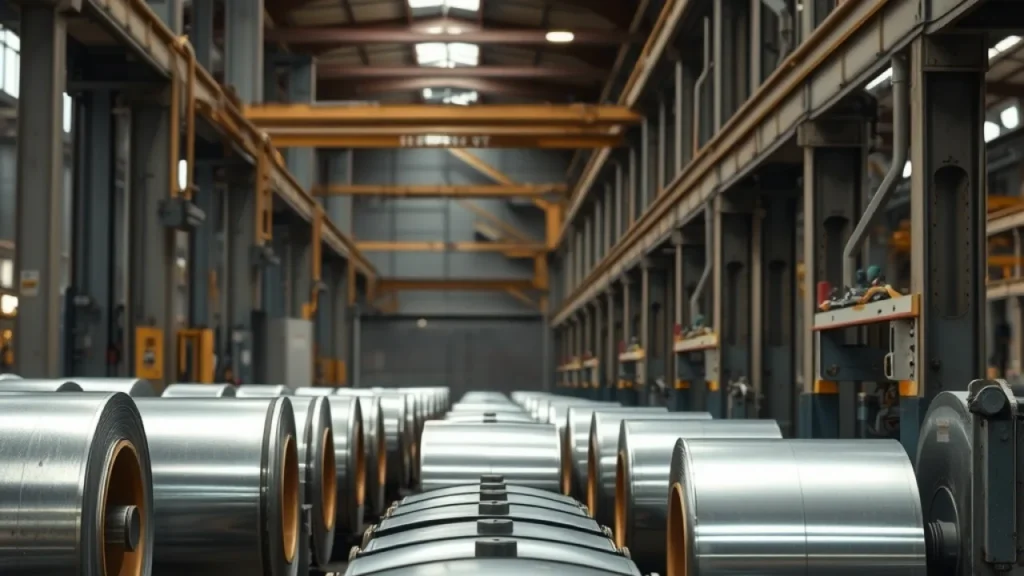
Zinc matters to the real economy in ways many investors overlook. The metal is not primarily used for jewellery or speculative hoarding. Instead, zinc galvanises steel, coating it with a protective layer that prevents rust and corrosion. Construction, automotive manufacturing, and infrastructure repair all depend on this galvanisation process.
When zinc prices four-year high, those costs ripple downstream. A car manufacturer ordering galvanised steel components pays more, and either absorbs the cost or passes it to the buyer. A builder refinishing bridge steel faces higher material bills. These are not marginal expenses; they flow through to consumers and shape investment decisions.
The supply squeeze explains why zinc prices four-year high despite no obvious demand explosion. Production troubles abroad, combined with China keeping more refined metal for domestic use, have simply shrunk the export pool. Miners face geological challenges or labour disputes. Smelters have encountered equipment failures or power constraints. No single dramatic event caused zinc prices four-year high; instead, multiple small disruptions stacked on top of one another.
What zinc prices four-year high tell us about broader supply stress
Copper is moving in tandem, supported by the same availability squeeze. Both metals reflect a genuine production problem rather than speculative buying or financial engineering. This matters because it suggests industrial demand remains real, even as central banks worry about inflation and economic weakness.
For investors, zinc prices four-year high serve as a canary in the industrial coal mine. When base metals rally on supply rather than demand, it signals that producers are struggling to meet the world’s needs. That constraint could persist for months if disruptions are not resolved quickly.
Thewealthora has a detailed guide to understanding commodity supply shocks and how they filter into equity valuations and inflation expectations if you want to dig deeper into how metals markets drive broader economic signals.
More on zinc prices four-year high from Thewealthora
- Wheat prices hit three-year high as Black Sea tensions escalate
- Fed official mortgage fraud denial: Cook fights Trump removal bid
- Tokenized deposits warning: Dallas Fed fears $700bn banking shift
- Brighthouse Financial takeover stalls amid investor concerns
Originally reported by The Guardian. Facts verified; analysis and wording are Thewealthora’s own.
How this was written: drafted from the report above with AI assistance to the standards of the Executive Editor, Markets, checked against our house rules and published automatically. No claim is made that a person read it before it went out. Our editorial policy sets out who is responsible for it.

Ethan Caldwell
Executive Editor, Markets
Ethan Caldwell is Executive Editor of Thewealthora's Finance Wire, the desk that carries this site's fast coverage of US equities, corporate earnings, central bank decisions and the macro calendar.