Young australians earning less: Young Australians earn less than
Australia's youth are the first generation to earn less than their parents at the same life stage, amid housing crisis and cost of living squeeze.

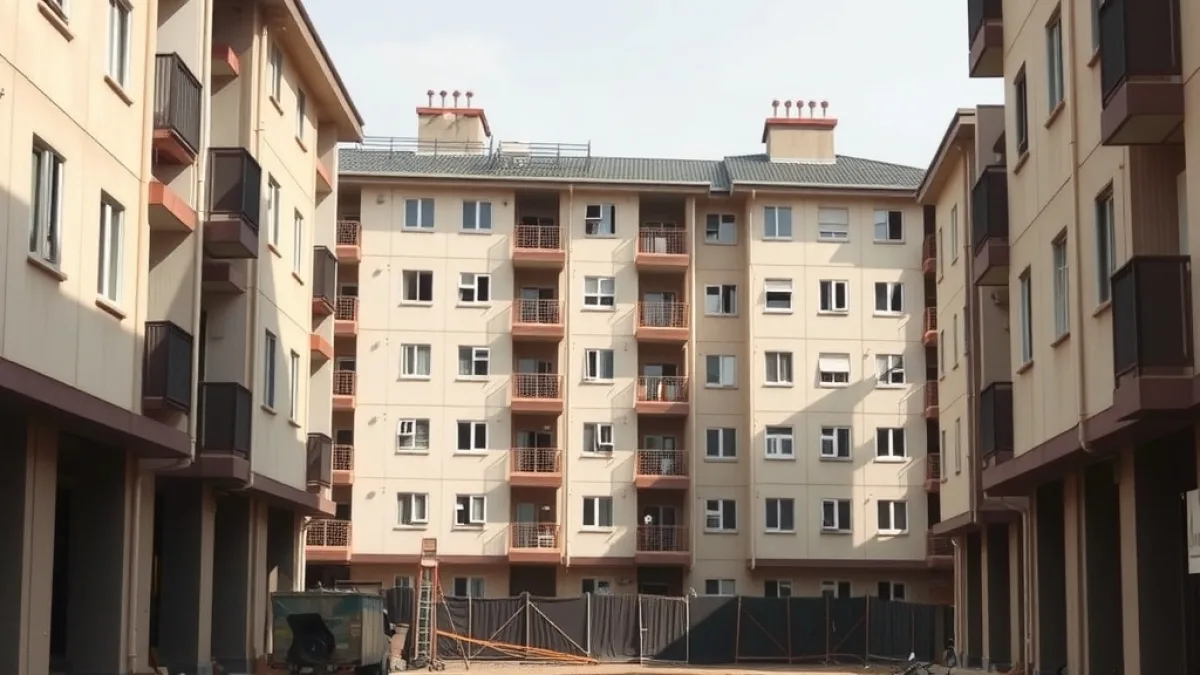
Key Takeaways
- Young Australians now earn significantly less than their parents did at the same age, breaking a decades-long wage progression pattern
- The shift reflects rising housing costs, inflation and weak wage growth hitting younger workers hardest
- NSW social housing waiting lists hit their highest emergency-need level in over a year, with urgent cases growing six times faster than general need
Young Australians are earning less than their parents did at the same age, marking the first time a generation has faced this kind of wage decline. The shift signals a fundamental break in the country’s economic trajectory, where each generation typically earned more than the one before.
This reversal reflects the collision of three pressures: housing costs that have soared far beyond wage growth, persistent inflation eating into purchasing power, and weak salary increases that have not kept pace with living expenses.
| NSW urgent housing need | 13,776 households, highest in over a year |
|---|---|
| NSW general housing waitlist | Around 70,000 since May 2026 |
| Urgent need growth rate | Six times faster than general need |
| Generational wage trend | First time young Australians earn less than parents at same age |
Why young Australians earning less matters now
Australia built its postwar prosperity on the assumption that each generation would do better financially than the last. That compact is breaking. Young Australians earning less than their parents is not just a statistical oddity; it signals that the economic ladder has tilted.
Housing is the primary culprit. In the 1980s and 1990s, a young Australian could reasonably expect to buy a home on a single professional income. Today, saving a deposit requires either dual incomes, parental help or a decade of extreme frugality. This forces younger workers to spend more on rent, leaving less for everything else.
Wage growth has stalled. Across much of the Australian workforce, real wages (adjusted for inflation) barely moved for years. When nominal wages did rise, inflation often outpaced them. Young Australians earning less reflects both lower starting salaries for entry-level roles and fewer career progression opportunities compared to previous cohorts.
The squeeze is visible in everyday choices. Young adults delay having children, postpone marriage, skip holidays and live with flatmates longer than their parents did. Some move interstate or abroad chasing better wages.
The housing crisis and what comes next
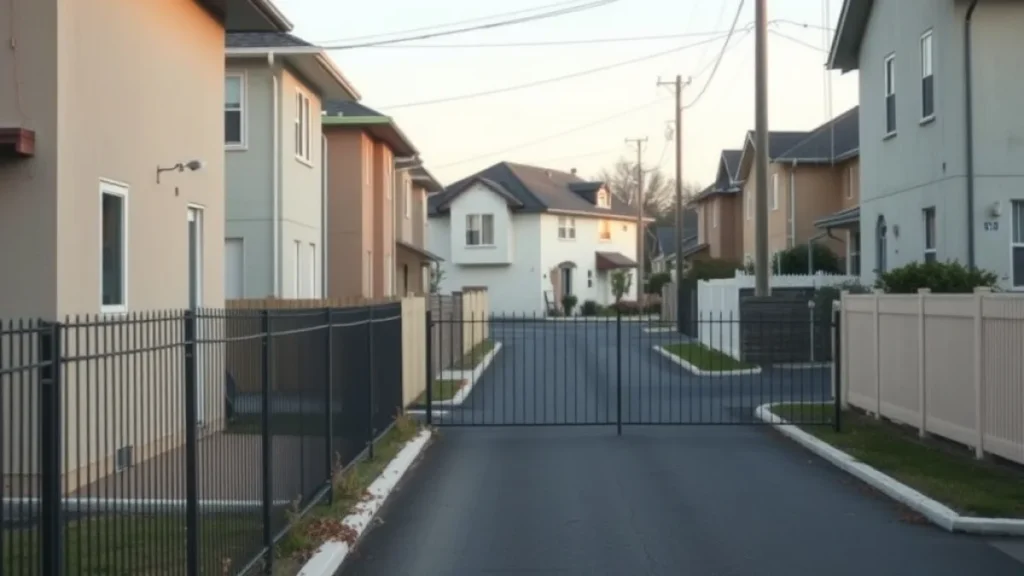
The problem cascades into homelessness and housing insecurity. In New South Wales alone, the number of households in urgent need of priority social housing reached 13,776 in recent weeks, the highest in more than a year. The broader waiting list sits around 70,000 people.
What matters inside that figure is the direction of change. Urgent need is growing six times faster than general need. This means every month, a larger share of those waiting are people in crisis: rough sleepers, families in temporary accommodation, people fleeing domestic violence, those with mental health or addiction struggles who need stable housing before anything else can improve.
Policymakers face a choice. They can treat this as a temporary cost-of-living squeeze that will pass when inflation subsides, or recognise that structural shifts in housing supply, wage bargaining power and inequality have reset the economic expectations for an entire generation.
Why is housing so expensive in Australia right now?
Supply has not kept pace with demand. Australia’s population grew, immigration rose, but new housing construction lagged. Investor demand for rental properties and short-term holiday lets have removed dwellings from the general rental pool. Interest rate hikes that began in 2022 pushed mortgage repayments up sharply, making homes less affordable just as first-time buyers needed the market to loosen.
Supermarket chains have also felt the pinch. Coles reported alcohol sales fell 3.3% as consumers cut back on discretionary spending. The company blamed subdued sentiment and cost-of-living pressure. Young Australians earning less directly reduces spending on everything from groceries to nights out, creating a drag on retail and hospitality.
Why this matters
The data point that young Australians earning less than their parents at the same age represents a watershed moment for the country’s sense of progress and fairness. Here is what shifts on the ground:
- Young workers will accumulate wealth more slowly, delaying major life decisions like buying a home, starting families or investing for retirement, with long-term compounding effects
- Demand for public services will rise as more people cannot afford private solutions: healthcare, education and aged care costs will strain already tight budgets
- The housing emergency will deepen unless government significantly increases social housing supply, as urgent-need cases growing six times faster than general need shows crisis is concentrating among those least able to cope
Australia has entered uncharted territory. For the first time in modern history, a generation is not wealthier than the one before. Whether that becomes a temporary interruption or a permanent shift depends on policy choices made now: housing investment, wage policy, and whether the country recognises this as a crisis worth solving at scale.
Original reporting on this young Australians earning less: The Guardian.
More on young Australians earning less from Thewealthora
- Does your AC actually filter wildfire smoke? What to know
- White House crypto negotiator delays military duty to push bill forward
- Binance now lets you trade U.S. stocks. Here’s what changed
- Bitcoin ETFs hit five-day winning streak as BTC breaks $65k
More stories like this on the World News.
Originally reported by The Guardian. Facts verified; analysis and wording are Thewealthora’s own.

Sophia Bennett
Executive Editor, World
Sophia Bennett is Executive Editor of Thewealthora's World desk, which covers the stories outside the market pages that eventually end up on them: elections and policy shifts, energy and commodity supply, trade rules, conflict, and the slow events that reprice something months after they happen.