Spain housing crisis sparks fury after woman’s death
Thousands protest after an 87-year-old's eviction and death reignite anger over rents and homelessness, splitting Spain's parliament.

Key Takeaways
- An 87-year-old woman died weeks after being evicted from her Madrid home of 70 years, becoming the symbol of Spain's housing emergency.
- The case has fractured Spain's parliament, with left and right accusing each other of exploiting the tragedy for electoral gain.
- A snap election is now set for November after housing protests forced the government to dissolve parliament.
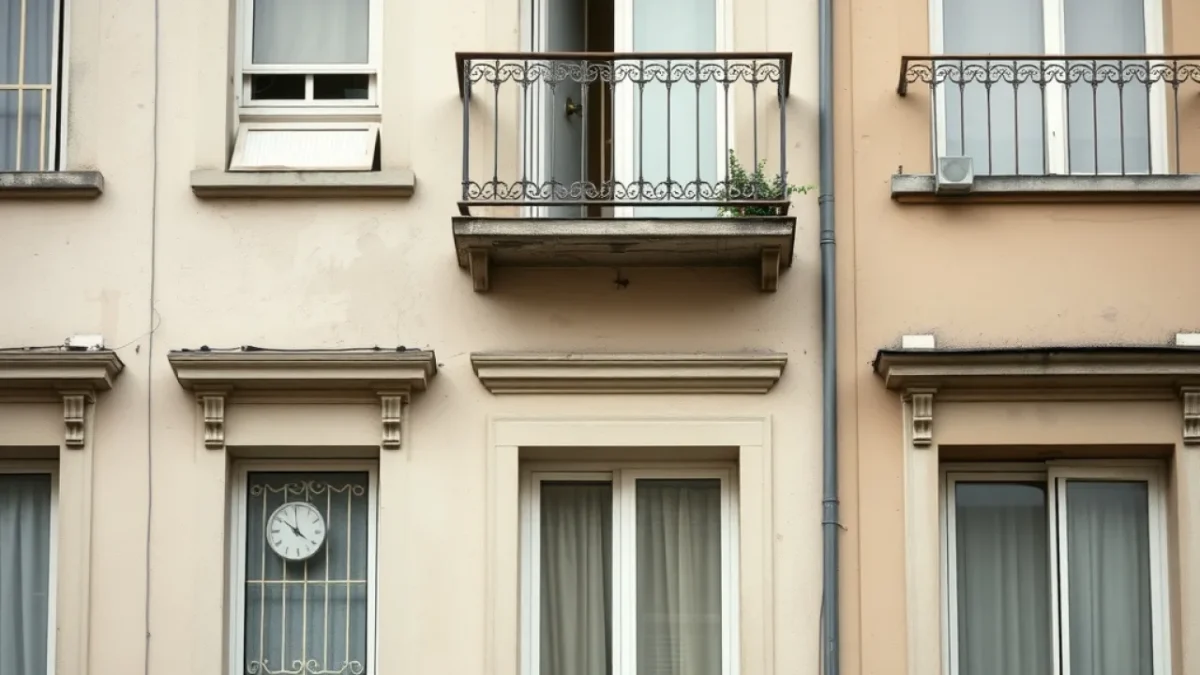
Thousands of protesters gathered outside Spain‘s parliament on Thursday to honour Maria del Carmen Abascal, the 87-year-old woman whose eviction from her Madrid home sparked nationwide anger over the Spain housing crisis and forced a political reckoning just weeks before a general election.
Abascal died Wednesday in hospital after being carried out on a stretcher from the only home she had known for 70 years on 23 September. She had been hospitalised for severe anxiety and exhaustion following the eviction, but reached a deal to return before she could make the journey back. No cause of death has been formally announced.
Outside her former apartment building, mourners left flowers, candles and handwritten tributes. The crowds that marched from central Madrid’s Puerta del Sol square chanted “They’re not deaths; they’re murders,” treating her case as the symbolic breaking point of a decade of housing pressure.
| Woman's age and eviction date | Maria del Carmen Abascal, 87, evicted on stretcher 23 September |
|---|---|
| Death and hospitalisation | Died Wednesday after hospitalisation for anxiety and exhaustion |
| Public support for housing intervention | 76.3% of Spaniards support market intervention; 79% prioritise housing rights |
| Election called | Prime Minister Pedro Sanchez set snap general election for 29 November |
| Parliamentary split | PP refused minute of silence; hard-left gave standing ovation while conservatives sat with folded arms |
Why this eviction became a turning point for Spain’s government
The madrid housing emergency has been building for years, but Abascal’s removal became the moment when the problem stopped being a policy debate and became a crisis that voters would punish. Prime Minister Pedro Sanchez, a Socialist, had been unable to pass emergency housing measures through parliament, so her death and the ensuing protests triggered his decision to call a snap general election for 29 November.
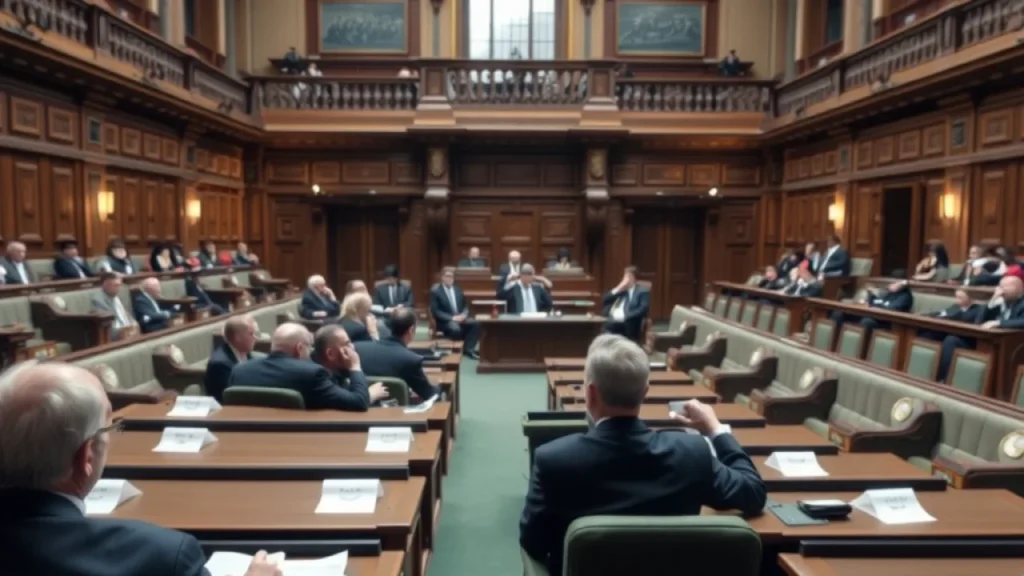
That political gamble has now backfired inside the legislature itself. Tributes to Abascal in Madrid’s regional parliament became a theatre of accusation and refusal, exposing just how divided Spain’s political class has become over housing.
What does the Spain housing crisis actually involve?
Spain faces two converging problems: rents have surged far beyond what ordinary workers earn, and the supply of affordable homes has not kept pace. The result is that millions of Spaniards cannot afford stable housing. In June, a state poll found 76.3 percent of the public backed government intervention in rental markets to guarantee access to housing, and 79 percent believed the right to shelter should outweigh treating homes as investment commodities.
Abascal herself had lived rent-free, which is rare in modern Spain. The eviction order came through a legal process, but it collided with public feeling about generations being squeezed out of their own cities.
How the political system fractured over her death
Alberto Nunez Feijoo, leader of the conservative opposition People’s Party (PP), used his parliamentary time not to remember Abascal but to accuse Sanchez of exploiting the housing crisis for electoral gain. “We will not allow this attempt to manipulate the emotions of the Spanish people,” he said, pointing out that the crisis has unfolded during eight years of Socialist government.
The PP, which controls absolute majorities in both Madrid’s regional and local assemblies, refused to observe a minute of silence in her honour. While hard-left deputies staged a standing ovation outside City Hall and applauded for 60 seconds during the regional debate, PP lawmakers sat with their arms folded.
Left-leaning parties have turned that defiance into ammunition, arguing that conservatives have systematically blocked rental-price legislation that could ease the crisis. The optics have become toxic for the right: they are seen as protecting property owners and investors against the elderly and the poor.
What comes next for Spain’s housing debate
Spain’s ombudsman, Angel Gabilondo, warned this week that solving the housing crisis will require “greater commitment from all levels of government.” His office is preparing a detailed report and has already outlined proposals: expand public housing stock, restrict how many properties can be turned into tourist rentals, increase rental assistance for vulnerable households, and strengthen protections against evictions for the elderly and those in poverty.
None of these measures can pass parliament until after the November election. That means the crisis will dominate campaigning, and whichever party wins will have to deliver tangible change quickly. Abascal’s death has turned abstract housing policy into a personal tragedy that voters will not forget, and her case is now the lens through which Spaniards are judging every politician who speaks about it.
Original reporting on this spain housing crisis: Al Jazeera.
Related coverage
- Crypto phishing campaign targets 885,000 phone numbers
- CFTC case prediction market paused by judge
- Cold chain logistics boom as GLP-1 drugs surge
- Bitcoin treasury breakeven as price hits $77K
Originally reported by Al Jazeera. Facts verified; analysis and wording are Thewealthora’s own.

Sophia Bennett
Executive Editor, World
Sophia Bennett is Executive Editor of Thewealthora's World desk, which covers the stories outside the market pages that eventually end up on them: elections and policy shifts, energy and commodity supply, trade rules, conflict, and the slow events that reprice something months after they happen.