Iran oil tensions escalate as Trump vows harder response
Military strikes in the Strait of Hormuz push crude prices toward $90 as the U.S. and Iran trade blows over economic sanctions.

Key Takeaways
- Brent crude jumped past $90 a barrel as Iran attacked U.S. bases in Jordan, marking the first military exchange in over a month
- Iran oil tensions centre on control of the Strait of Hormuz, where a tanker was hit by projectiles and Iranian rocket launchers pose shipping threats
- Secondary sanctions on Iran's economy are squeezing Tehran into retaliation, though analysts see this as punishment for specific behaviour rather than full-scale war
Iran oil tensions flared this week as the U.S. and Iran resumed military strikes, sending crude prices surging toward $90 a barrel, according to CNBC. The escalation marks the first time in over a month that both sides have traded direct blows, and it signals how fragile the balance remains in one of the world’s most economically sensitive regions.
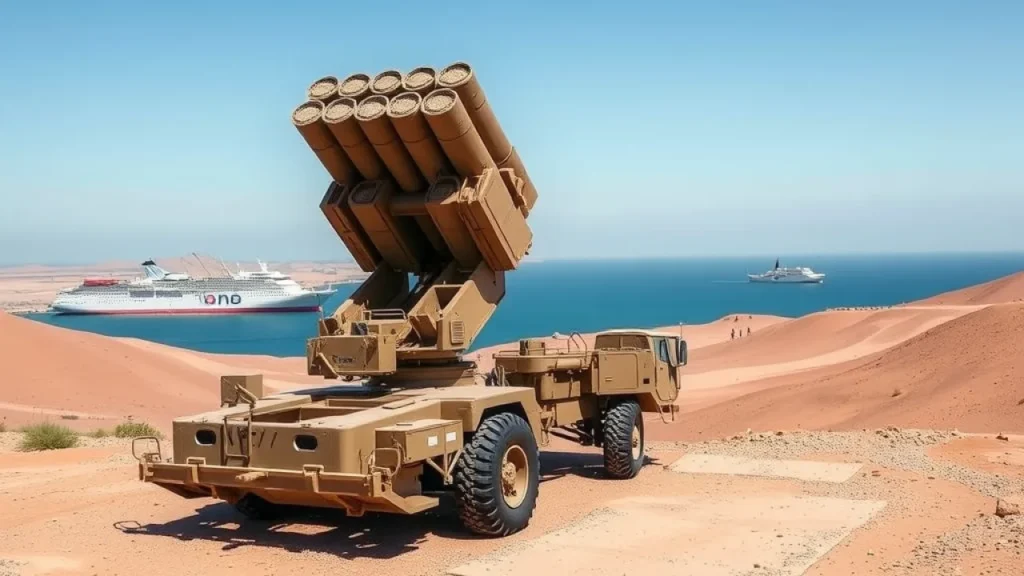
On Sunday, American forces targeted Iranian rocket launchers stationed on Larak Island, a small but strategically crucial patch of land sitting inside the Strait of Hormuz. Three people were reportedly killed in that strike. The U.S. military said it acted because Tehran had been planning to launch rockets fitted with sea mines into the shipping corridor itself, weapons designed to choke off the flow of oil tankers.
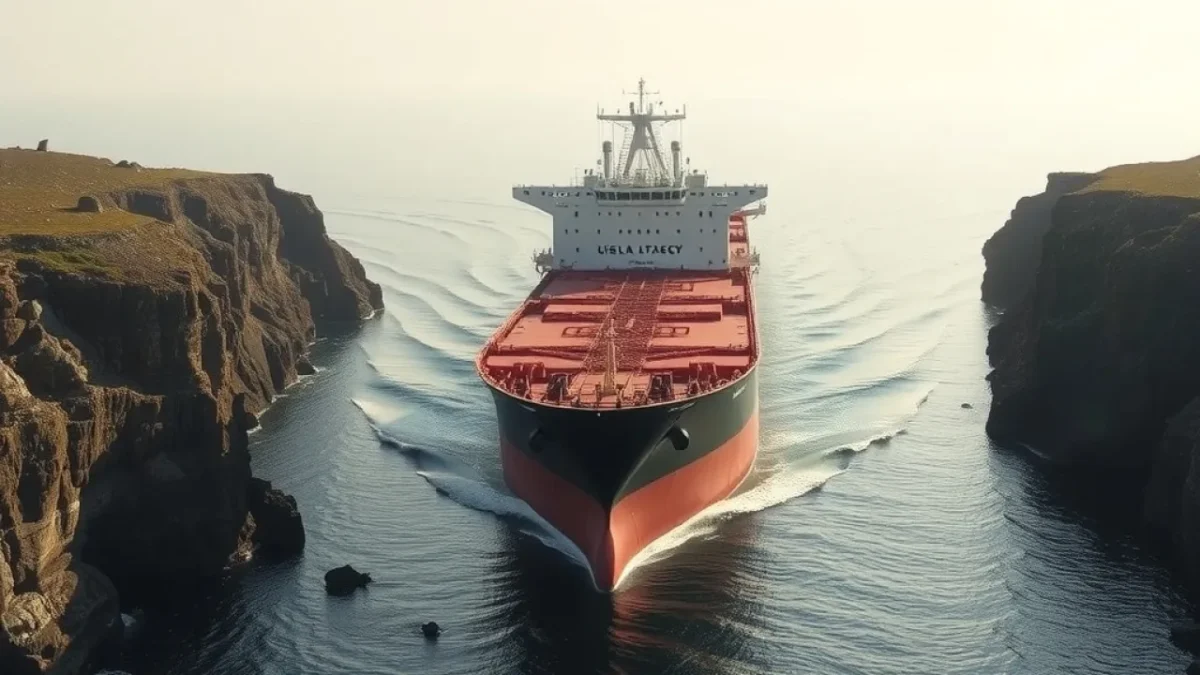
Iran responded the next day by launching attacks on two American military bases in Jordan. At the same time, a commercial tanker sailing through the Strait of Hormuz was struck by three unknown projectiles whilst transiting the southern lane near Oman’s coast. The U.K. Maritime Trade Operations agency reported the incident but said no casualties occurred. These incidents show how Iran oil tensions directly threaten the machinery of global energy supply.
| Brent crude price | Surged past $90, last traded at $87.84 per barrel on Tuesday |
|---|---|
| U.S. WTI crude move | Added 2.43% to $87.84 per barrel |
| Military incident | Tanker hit by three unknown projectiles in Strait of Hormuz on Monday |
| U.S. strike date | American forces targeted Iranian rocket launchers on Larak Island Sunday |
| Iran's response | Attacked two American military bases in Jordan on Monday in retaliation |
Why Larak Island matters to oil markets
Larak Island is not large, but its location gives Iran disproportionate influence over the world’s oil routes. The island sits inside the Strait of Hormuz, a waterway through which roughly one-third of the world’s seaborne oil passes every day. When Iran positions military equipment there, it gains the ability to disrupt tanker traffic, threaten merchant vessels, or mine the channel itself.
This is precisely what U.S. intelligence said Tehran was preparing to do. By striking the rocket launchers before they could be deployed, American forces chose a narrow target: stopping a specific threat rather than launching a broader campaign against Iranian military sites. Ali Vaez, deputy director at the International Crisis Group, described the strike as “punishing a specific behaviour rather than broadening war aims.”
That distinction matters. Iran oil tensions of this type can escalate without anyone intending it to, because each side interprets the other’s actions as either provocation or self-defence. The U.S. says it struck Larak Island to protect shipping. Iran says it attacked the bases in Jordan to deter further American action. Neither narrative excludes the possibility of further escalation.
How secondary sanctions created the pressure behind Iran oil tensions
The immediate trigger for this week’s strikes was military, but the underlying cause is economic. Washington has ramped up “secondary sanctions”, penalties aimed at countries and companies that buy Iranian crude rather than at Iran itself. These sanctions squeeze Iran’s economy by cutting off its largest source of foreign currency, oil revenues.
U.S. Treasury Secretary Scott Bessent said on Monday that Iran was “lashing out kinetically” because the new economic measures were working. In other words, Iran oil tensions are partly a symptom of Tehran’s desperation as its economy contracts under embargo. President Trump told Fox News that Iran’s financial systems, armed forces, and governance structures have been “largely degraded,” though he added the U.S. was prepared to “smack them to see what happens.”
This framing reveals the strategy. Analysts say the Trump administration’s goal is twofold: degrade Tehran’s ability to threaten the Strait of Hormuz specifically, and use economic pressure as the midterm elections approach. Jason Brodsky, policy director at United Against Nuclear Iran, said the strikes on Larak Island are part of an effort to “enforce the blockade” by reducing Iran’s capability to lay mines or attack shipping.
What oil prices tell us about Iran oil tensions ahead
Brent crude, the international benchmark, jumped past $90 a barrel this week before settling at $87.84. West Texas Intermediate crude, the U.S. benchmark, rose 2.43% to $87.84 per barrel. Traders are pricing in the risk that Iran oil tensions could worsen and disrupt supply, but they are not yet betting on sustained scarcity.
Oil markets have become accustomed to a baseline level of geopolitical risk in the Strait of Hormuz. A single tanker strike or a series of military exchanges does not crash prices because traders assume the U.S., Iran, and global shipping interests all have incentives to prevent total closure. What would move oil sharply higher is evidence that either side is escalating beyond tit-for-tat strikes.
President Trump’s language suggests awareness of this threshold. By saying “there will be a response” but framing it in measured terms, he signals readiness without promising all-out war. Iran oil tensions remain contained, for now, because both sides seem to understand that all-out conflict would damage them both far more than the current standoff.
Brodsky called this contest an “endurance match,” with Trump’s unpredictability as a wild card. As Iran oil tensions persist and economic sanctions tighten, Tehran may choose more aggressive military action. But the pattern so far suggests mutual interest in keeping strikes symbolic and targeted rather than total.
For oil investors, Iran oil tensions are a permanent feature of the market now. Supply disruptions in the Middle East carry an almost permanent geopolitical premium. Read Thewealthora’s detailed guides on how energy markets price political risk and how to think about commodity exposure in your portfolio during periods of regional instability.
More on iran oil tensions from Thewealthora
- Iran US military tension escalates after first clash in a month
- Amazon ad fees: FTC alleges hidden surcharges on merchants
- Venezuelan oil reserves: the Trump deal that changed who owns them
- Gas prices squeeze BNPL shoppers as Affirm reports earnings
More stories like this on the Finance Wire.
Originally reported by CNBC. Facts verified; analysis and wording are Thewealthora’s own.

Ethan Caldwell
Executive Editor, Markets
Ethan Caldwell is Executive Editor of Thewealthora's Finance Wire, the desk that carries this site's fast coverage of US equities, corporate earnings, central bank decisions and the macro calendar.