Bitcoin quantum resistance: why cryptography is changing
Bitcoin is hardening its defences against quantum computers while Solana cuts token inflation and analysts project $500K price.

Key Takeaways
- Bitcoin quantum resistance is being built into the network to protect against future quantum computing threats
- Solana validators agreed to cancel 18.9 million SOL tokens to reduce ongoing inflation pressure
- Bernstein analysts published a bullish case for bitcoin peaking at $500,000 in this market cycle
Bitcoin is preparing its defences for a computing threat that barely exists yet. According to Cointelegraph, the network is moving toward solutions that would protect it against quantum computers, Solana validators have agreed to eliminate 18.9 million SOL tokens to tackle inflation, and analysts at Bernstein have mapped out a bullish scenario where bitcoin peaks at $500,000 during this bull cycle.
The shift toward bitcoin quantum resistance is the headline story here, because it speaks to a fundamental vulnerability that most people do not realise is coming.
| SOL tokens cancelled | 18.9 million tokens, agreed by Solana validators |
|---|---|
| Bitcoin price target | Bernstein forecasts peak of $500,000 this cycle |
| Focus area | Bitcoin quantum resistance upgrades underway |
| Date reported | 30 August 2026 |
Why bitcoin quantum resistance matters now
Quantum computers do not exist yet in any serious, threat-capable form. But they are coming, and when they arrive, they could break the mathematics that secures every bitcoin wallet on earth.
Bitcoin uses what is called public-key cryptography. You have a public key that everyone can see (your receiving address), and a private key that only you hold (the password to your wallet). The mathematics linking these two keys is considered impossible to reverse with classical computers: it would take millions of years.
A sufficiently powerful quantum computer could reverse that relationship in minutes. If someone with a quantum machine could work backwards from a public bitcoin address to find the private key, they could spend those coins without permission.
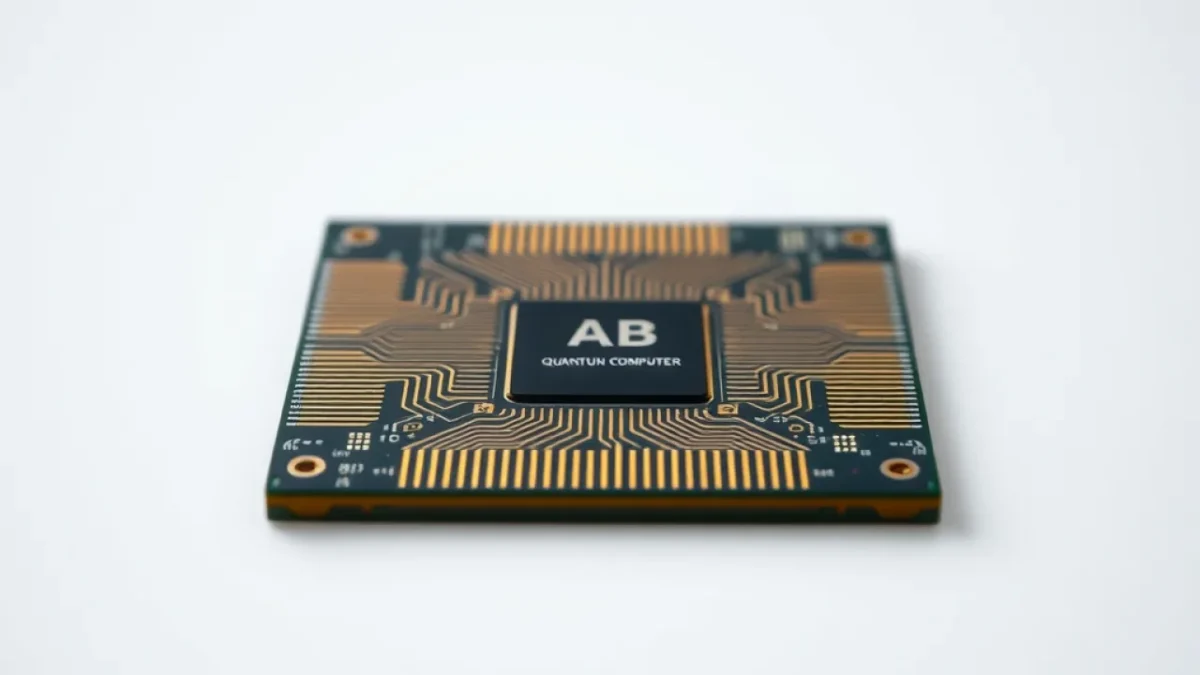
Bitcoin quantum resistance is therefore less of an optional upgrade and more of a survival feature. The network cannot afford to ignore this. So developers are exploring ways to replace or harden the cryptography underneath, moving toward algorithms that even quantum computers cannot crack.
The timeline for bitcoin quantum resistance upgrades
This is not an emergency retrofit happening overnight. Bitcoin quantum resistance work has been underway for years in the research community, and the process is methodical because any mistake could damage the network.
The challenge with bitcoin quantum resistance is that changing the core cryptography of a decentralised network means convincing thousands of node operators to accept the upgrade. It is not like updating your iPhone. Miners, exchanges, wallet makers and individual hodlers all have to agree.
The good news is that bitcoin quantum resistance does not need to be perfect tomorrow. Most experts believe a quantum computer capable of threatening bitcoin would take at least a decade to build, and probably longer. That window allows time for careful development and testing.</n
How would bitcoin quantum resistance actually be implemented?
The most likely route is adding new address types that use quantum-resistant algorithms, allowing old and new systems to coexist. Users could migrate their coins to quantum-resistant addresses gradually, without forcing everyone to move at once.
This is the same approach bitcoin has used before, when it adopted SegWit addresses without abandoning the older format. Bitcoin quantum resistance does not have to be a big bang moment; it can unfold over years.
Solana cuts tokens while bitcoin watches the chart
In a parallel move, Solana validators have agreed to destroy 18.9 million SOL tokens, equivalent to about £1.3 billion at current prices. This is meant to ease one of Solana’s chronic problems: rapid token inflation from a generous validator reward schedule.
Token cancellations are not the same as price guarantees. Destroying tokens reduces the future supply, which mathematically helps, but it does not control demand. Still, Solana’s willingness to act shows the network cares about the metric, unlike some competitors that have ignored it.
The bitcoin price story: Bernstein’s $500,000 call
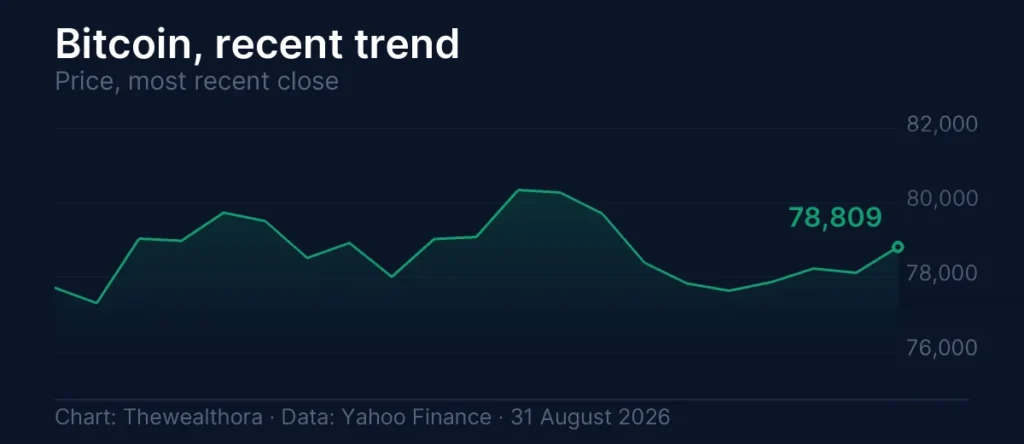
Bernstein analysts have published analysis suggesting bitcoin could peak near $500,000 in the current bull cycle. This is not a floor or a guarantee; it is a conditional forecast based on adoption trends and historical cycles.
What matters for your own positions is that bitcoin quantum resistance does not threaten the price story short-term. These upgrades happen in the background. But long-term, a bitcoin without quantum resistance is a bitcoin with an expiry date, so this work is what keeps the asset viable.
More on bitcoin quantum resistance from Thewealthora
- Tokenized stock transfer volume surges 415% in a month
- Trump token collapse: why insiders sold before the crash
- Gemini prediction markets: exclusive deal with Apex explained
- Pakistan crypto licensing deadline: September 5 registration starts
More stories like this on the Finance Wire.
Originally reported by Cointelegraph. Facts verified; analysis and wording are Thewealthora’s own.

Ethan Caldwell
Executive Editor, Markets
Ethan Caldwell is Executive Editor of Thewealthora's Finance Wire, the desk that carries this site's fast coverage of US equities, corporate earnings, central bank decisions and the macro calendar.