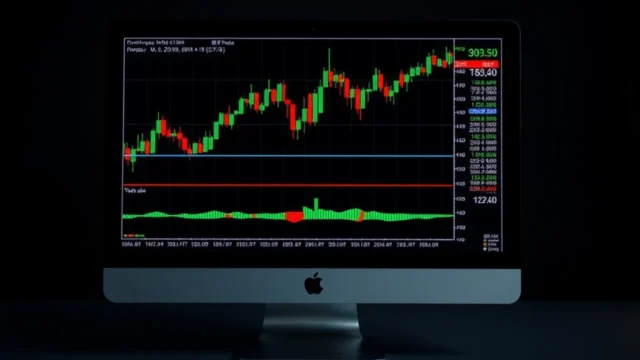
Nasdaq 100 logs top 10 bullish stat of the past decade
A rare surge in tech stocks and options activity marks one of the decade's most extreme bullish days as pessimists capitulate.


Key Takeaways
- The Nasdaq-100 rallied 3.3% on Tuesday, marking one of the decade's most extreme bullish days by options activity measures.
- Short-covering and bullish call buying pushed options volatility to nine-year extremes, with out-of-the-money call prices jumping 42% in a single day.
- Underlying strength came from strong earnings growth (47% in Q2) and reasonable valuations, not pure speculation or bubble-like behaviour.
A spectacular surge in tech stocks on Tuesday delivered what may be the strongest single day of bullish momentum for the Nasdaq-100 in at least a decade, according to CNBC. The index climbed 3.3% to 29,733, dragging itself back within striking distance of its June record after weeks of selling pressure that had briefly wiped out more than 10% of its value.
What made Tuesday genuinely unusual was not just the size of the move, but the explosive activity in options markets. Bullish bets on the Nasdaq-100 surged to levels rarely seen since 2014.
Why the options market exploded
When investors buy options, they are purchasing the right (but not the obligation) to buy or sell a stock at a fixed price by a certain date. On Tuesday, traders piled into call options, which profit when stocks rise. The specific metric that caught analysts’ attention was the pricing of out-of-the-money calls, a riskier bet that only pays off if the index rallies even further than current levels.
The cost of these long-shot bullish bets jumped 42% in a single trading session. That was the largest one-day swing in five years and the ninth largest in the entire past decade, according to Nations Indexes, a firm that tracks options analytics. Scott Nations, the firm’s president, called it “absolutely fair to say this was one of the ten most bullish days for Nasdaq 100 over the past 10 years.”
Two forces converged to create this behaviour. First, short-sellers (traders who had bet on the Nasdaq-100 falling) were forced to buy back their positions as prices rose, amplifying the rally. Second, fresh money poured into call options as investors raced to position themselves for further gains.
Even more striking: the VIX, a volatility gauge that typically falls when stocks rise, actually went up alongside Tuesday’s rally. This combination only occurs about 20% of the time. It signals fear mixed with euphoria, a peculiar emotional state that makes seasoned traders nervous. “If you want to get long after today, maybe don’t buy out-of-the-money calls,” warned Noel Smith, chief investment officer at Convex Asset Management, suggesting the risk-reward had turned unfavourable.
What actually triggered the buying spree
The rally didn’t emerge from thin air. Three concrete developments shifted the mood last week. A hedge fund manager named Leopold Aschenbrenner, who had been quietly accumulating billions in artificial intelligence stocks, was forced to unwind positions due to margin pressure. Once that forced selling ended, the panic subsided.
Simultaneously, the Treasury market stopped its relentless climb higher in yields, a sign that recession fears were easing. Then on Tuesday itself, President Trump signalled a potential breakthrough in negotiations with Iran, prompting crude oil to dip below $80 per barrel, cutting inflation pressure.
But here is what separates Tuesday’s rally from a hollow, fear-driven bounce: the earnings data underneath actually supports higher stock prices. According to FactSet, S&P 500 companies are on track to report 47% earnings growth in the second quarter, the largest increase since the post-Covid rebound in 2021. That is genuine business improvement, not just hopeful speculation.
Equally crucial, the valuation picture is reasonable, not frothy. The forward 12-month price-to-earnings ratio sits at 19.6, below the five-year average. A decade ago, this would have been considered fair value. Today, it means the market is not pricing in perfection.
Why does the bullish stat matter if valuations stay reasonable?
The extreme options activity shows that emotion and positioning matter as much as fundamentals in the short term. When traders see forced selling (the hedge fund unwind) reversing, they do not sell into the relief. They chase it. Options leverage those moves, making extremes even more extreme. A Nasdaq 100 logs top 10 bullish stat in options does not mean stocks will only go up from here, but it does suggest positioning has shifted decisively from bearish to bullish, which can sustain momentum for weeks or months until something breaks the narrative again.
What this means for you
The takeaway depends on where you sit in the market right now.
- If you hold a diversified 401(k) or ISA with tech exposure: You likely benefited from Tuesday’s move. However, extreme bullish sentiment often coincides with peak risk. Rebalance if your tech allocation has grown well above your target, securing some gains rather than riding euphoria.
- If you are thinking about buying tech or Nasdaq-heavy positions: The rally is real and partly justified by earnings, but options market extremes suggest prices may not dip much further. You are not early; you are in the thick of it. Scale in gradually rather than deploying everything at once.
- If you trade or use options: Bullish call premiums have already inflated substantially. Buying further out-of-the-money calls now means paying more for the same bet. Volatility compression could hurt long-option positions if euphoria cools. Consider waiting for a pullback or selling calls against stock you own instead.
For more on how options work, when volatility spikes, and how to position during momentum shifts, read our guides on options basics and timing market entries across Thewealthora.
More on Nasdaq 100 logs top 10 bullish stat from Thewealthora
- The Stock Market Isn’t Just Tech, Here’s What’s Thriving
- Why chip stocks just got shaken by China’s AI breakthrough
- SpaceX shares plunge, erasing $1 trillion from peak value
Originally reported by CNBC. Facts verified; analysis and wording are Thewealthora’s own.

Ethan Caldwell
Executive Editor, Markets
Ethan Caldwell is Executive Editor of Thewealthora's Finance Wire, the desk that carries this site's fast coverage of US equities, corporate earnings, central bank decisions and the macro calendar.