Burnham assisted dying vote: why the PM will abstain
The new Prime Minister will not cast a ballot on the assisted dying bill, unlike his predecessor, to ensure MPs feel free to decide.

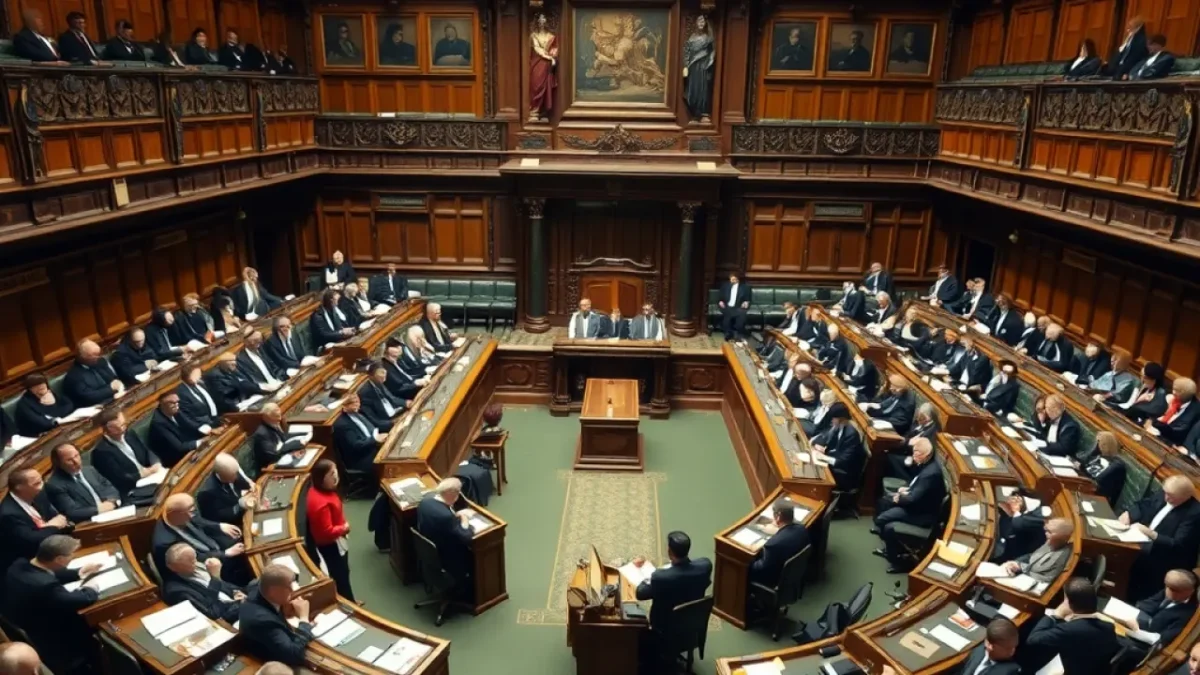
Key Takeaways
- Burnham will abstain on the assisted dying bill vote in two weeks, breaking from Keir Starmer's approach
- The abstention is meant to signal that all views are equally valid and that MPs face no pressure from Number 10
- The bill would allow terminally ill adults over 18 to access help to end their lives if they have six months to live
The UK Prime Minister Andy Burnham has announced he will not participate in the Burnham assisted dying vote, according to BBC News, a decision that marks him out from his predecessor Sir Keir Starmer who backed the legislation.
The Burnham assisted dying vote is scheduled for Second Reading within two weeks, when MPs will debate whether to legalise assisted dying in England and Wales for the second time in a year.
Burnham wrote to Labour MPs on Friday explaining that his assisted dying vote abstention reflects his role as prime minister: to remain neutral and let Parliament decide, not to influence the outcome from Downing Street.
| Vote timing | Second Reading expected within two weeks |
|---|---|
| Bill scope | Adults over 18 expected to die within six months |
| Previous attempt | Passed Commons last year, blocked in Lords by 1,200+ amendments |
| Burnham's predecessor | Starmer voted in favour when he was PM |
| Scottish outcome | Rejected by Scottish Parliament in March 2026 |
Why Burnham’s abstention on assisted dying matters
When Keir Starmer held the office, he voted in favour of the assisted dying bill but did not campaign publicly for it, maintaining an official government neutrality.
Burnham is going further. He will not vote at all. His reasoning is explicit: he does not want to “unduly influence the debate” as prime minister, and he wants every colleague to recognise this is a genuinely free vote where backbenchers face no pressure from Number 10.
In his letter, Burnham acknowledged he holds personal views on the issue but argued it was “a matter for Parliament to decide”. He stressed there is “no single right position” and called the question “incredibly important and personal”.
This signals something important about how the government sees its role. The institution of government remains neutral; the Prime Minister himself steps back entirely. Ministers can vote how they wish, though Burnham asked them to avoid publicly debating the bill’s departmental implications.
The Burnham assisted dying vote and previous parliamentary deadlock
The bill put to MPs in two weeks is identical to the one debated last year. That version passed the House of Commons but stalled in the House of Lords, where peers tabled over 1,200 amendments, mostly from opponents.
The deadlock matters because of a procedural quirk. If the Commons passes an amended version this time, the government loses the power to use the Parliament Acts to override the Lords. If peers reject it, the amended bill dies. An unamended bill, by contrast, could become law even without Lords backing, giving supporters a reason to keep it unchanged.
Supporters hope the Lords will simply accept an unamended bill rather than face having it imposed on them. That calculation underpins why Labour MP Lauren Edwards, who is bringing the bill, wants no alterations in the Commons.
The previous Lords obstruction prompted assisted dying campaigner Dame Esther Rantzen, who has terminal cancer, to accuse opponents of sabotage rather than genuine scrutiny. Opponents have vowed to continue challenging it.
What would the assisted dying law actually allow?
The bill would permit adults over 18 who are expected to die within six months to receive help ending their own life, subject to legal safeguards designed to prevent abuse and protect vulnerable people.
Burnham’s own position has shifted
When Burnham was mayor of Greater Manchester, he indicated support for assisted dying in principle. By June this year, however, he suggested that implementation would be challenging until social and palliative care services were improved.
That caution may explain why his Burnham assisted dying vote abstention suits him politically. It allows him to sidestep the issue while his government proceeds. The Health Secretary Yvette Cooper previously voted for the bill; her predecessor Wes Streeting openly raised concerns about pressure on NHS resources.
Scotland rejected its own assisted dying bill in March 2026, so the English and Welsh legislation will set the tone for Britain. Whether the assisted dying vote passes without amendment this time depends on whether the Commons holds its line and whether the Lords judges the political cost of rejection too high.
The vote is one of the most contentious Parliament will face this year. Burnham’s decision to sit it out sends a clear signal: this one belongs to MPs and their consciences, not to the leadership.
More on burnham assisted dying vote from Thewealthora
- Bitcoin treasury shares recover from June losses
- Montagu harrier breeding success offers hope for UK’s rarest raptor
- Crypto casino: 7 brutal money traps that drain beginners
- Tokenized fund gets regulatory approval in Ireland
More stories like this on the World News.
Originally reported by BBC News. Facts verified; analysis and wording are Thewealthora’s own.

Sophia Bennett
Executive Editor, World
Sophia Bennett is Executive Editor of Thewealthora's World desk, which covers the stories outside the market pages that eventually end up on them: elections and policy shifts, energy and commodity supply, trade rules, conflict, and the slow events that reprice something months after they happen.